

 Netherlands
vs
Netherlands
vs
 UK
in Professional Padel
UK
in Professional Padel
An unusually direct comparison: both grew padel through existing tennis structures at almost the same time, and both avoided the speculative money that closed clubs elsewhere. The UK has moved faster from a larger population and now hosts a top-tier event of its own. Neither has depth at the top to match yet. Both are five years into a boom, which on the usual timetable is about half way to seeing it in the rankings.
Results compared
Titles
1
Ranked players
89
Players in top 100
2
Players in top 200
5
Players in top 500
22
Each country’s own record across the professional tour — not results against each other. A title counts once per country, so a mixed pair winning a final counts for both. Ranking bands count the men’s and women’s rankings together — they are separate ladders, so a top 10 holds twenty players — and which bands are shown depends on where these two countries’ players actually sit.
Key insights
- Both grew padel through existing tennis structures, which supplied clubs, coaching and competition from the start.
- The UK has grown faster from a larger population and now hosts a top-tier event of its own.
- Club-led and federation-led growth are slower than investor-led growth and far less prone to closures.
- A playing base takes roughly a decade to show up as depth at the top of the rankings.
Year by year
Netherlands
UK
titles won
2
1
—
—
—
—
—
—
Titles won each year by players of each country. A title counts once per country, so a mixed pair winning a final counts for both. Title records run the full range shown; match-win records only begin in 2023, which is why this chart tracks titles rather than wins.
Top players
Netherlands
51 ranked players · 30 men, 21 women
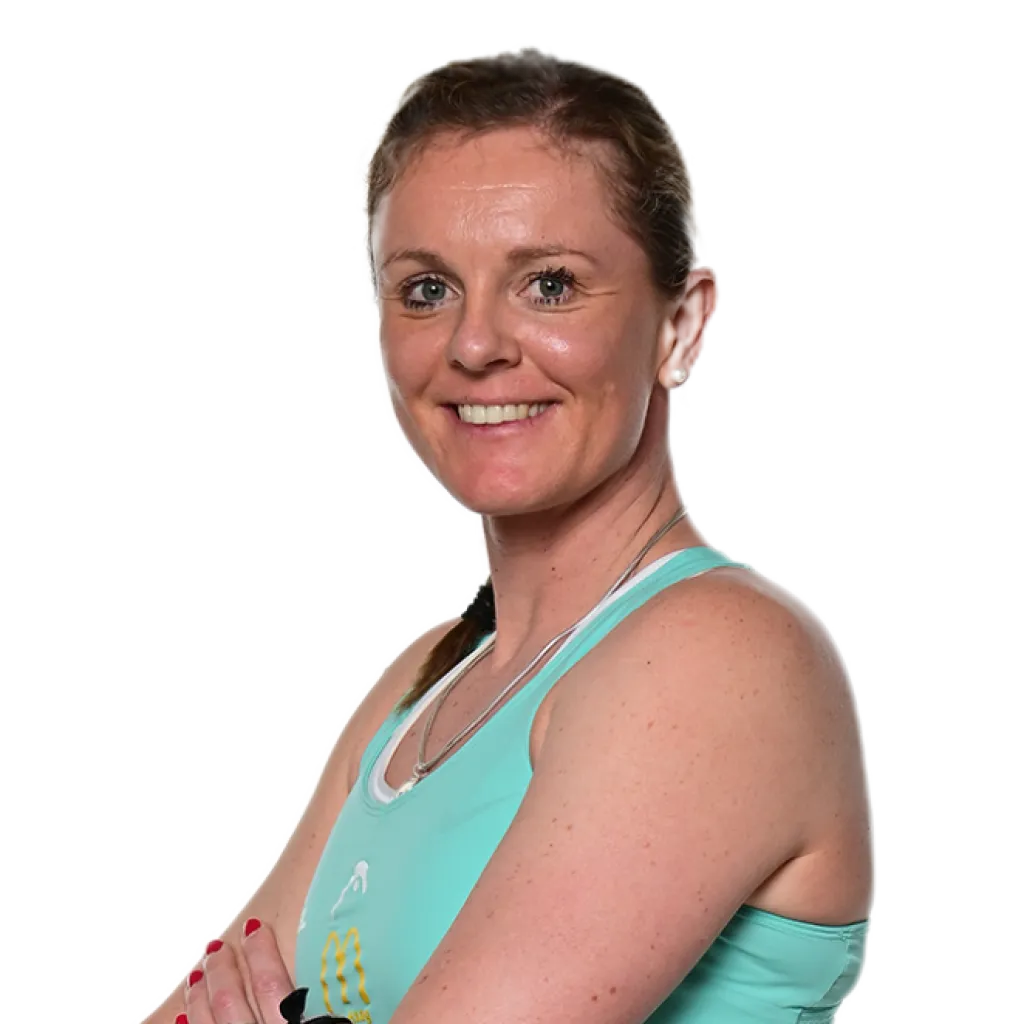 Marcella Koek
#82
Marcella Koek
#82
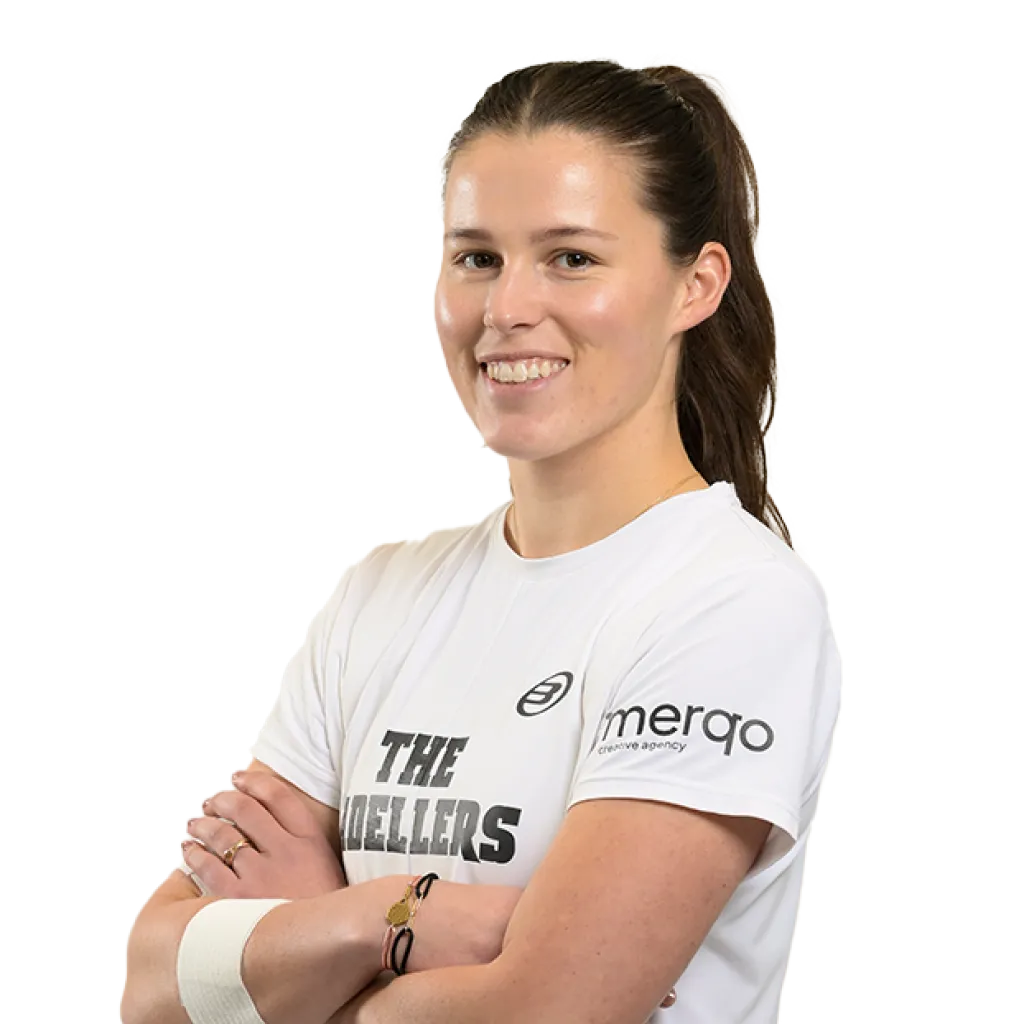 Bo Luttikhuis
#101
Bo Luttikhuis
#101
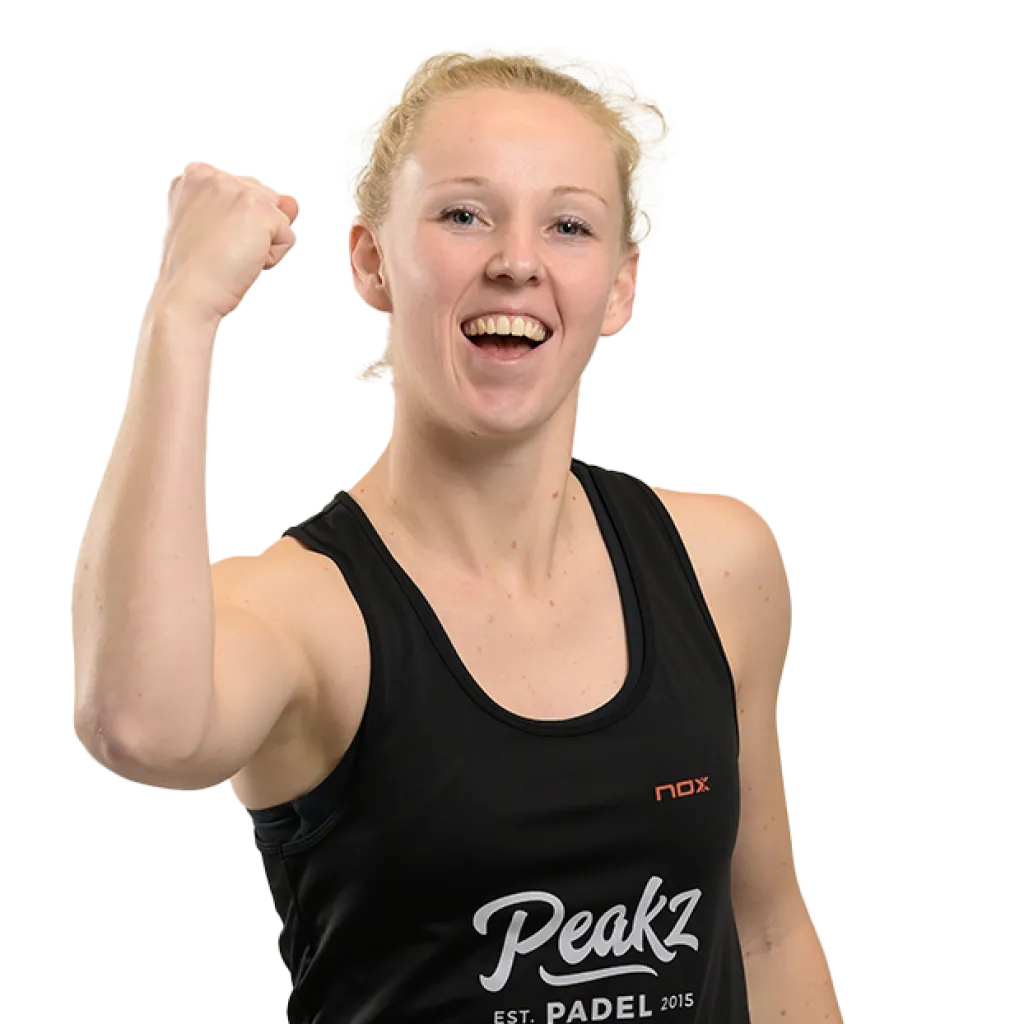 Janine Hemmes
#107
Janine Hemmes
#107
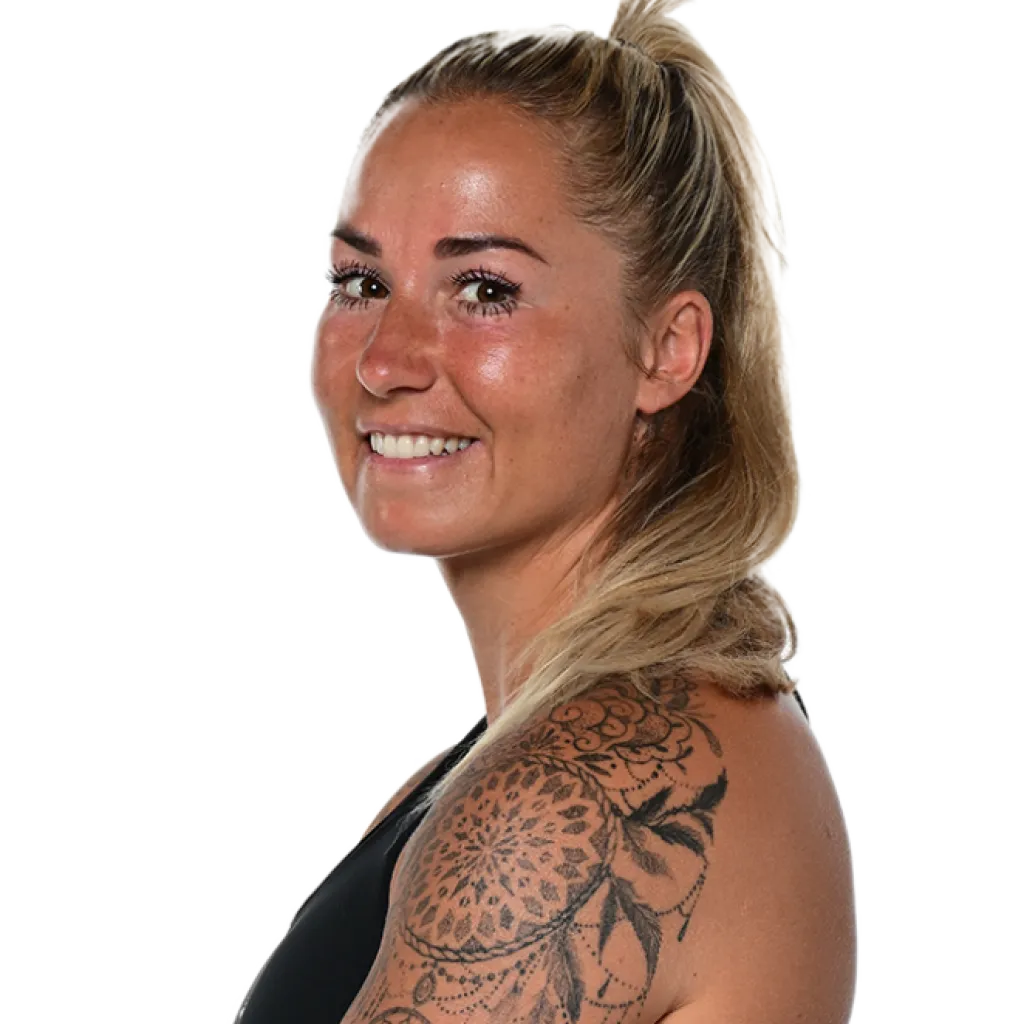 Stephanie Weterings
#149
Stephanie Weterings
#149
FIP Silver Pingyuan (2026)
UK
89 ranked players · 48 men, 41 women
 Christian Medina Murphy
#143
Christian Medina Murphy
#143
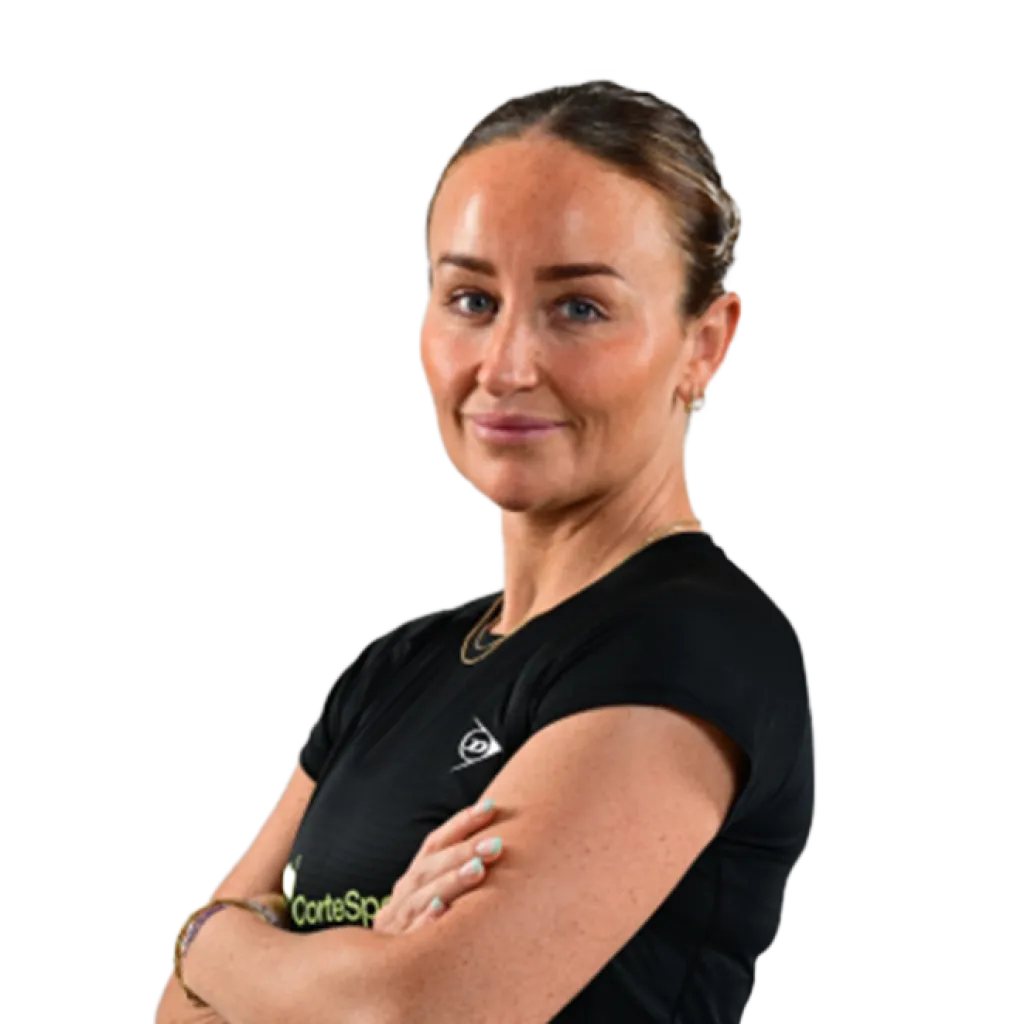 Aimee Gibson
#91
Aimee Gibson
#91
FIP Silver Damac Dubai (2026)
Most titles won
Career titles across every professional tour in our records, back to 2006. Includes players who have since retired, and counts a title for each member of the winning pair.
Titles by era
Premier Padel & FIP Tour
2023–2026
titles
1