


Dunlop racket ranges
6 ranges
Pros playing with a Dunlop racket
5 players
Dunlop questions
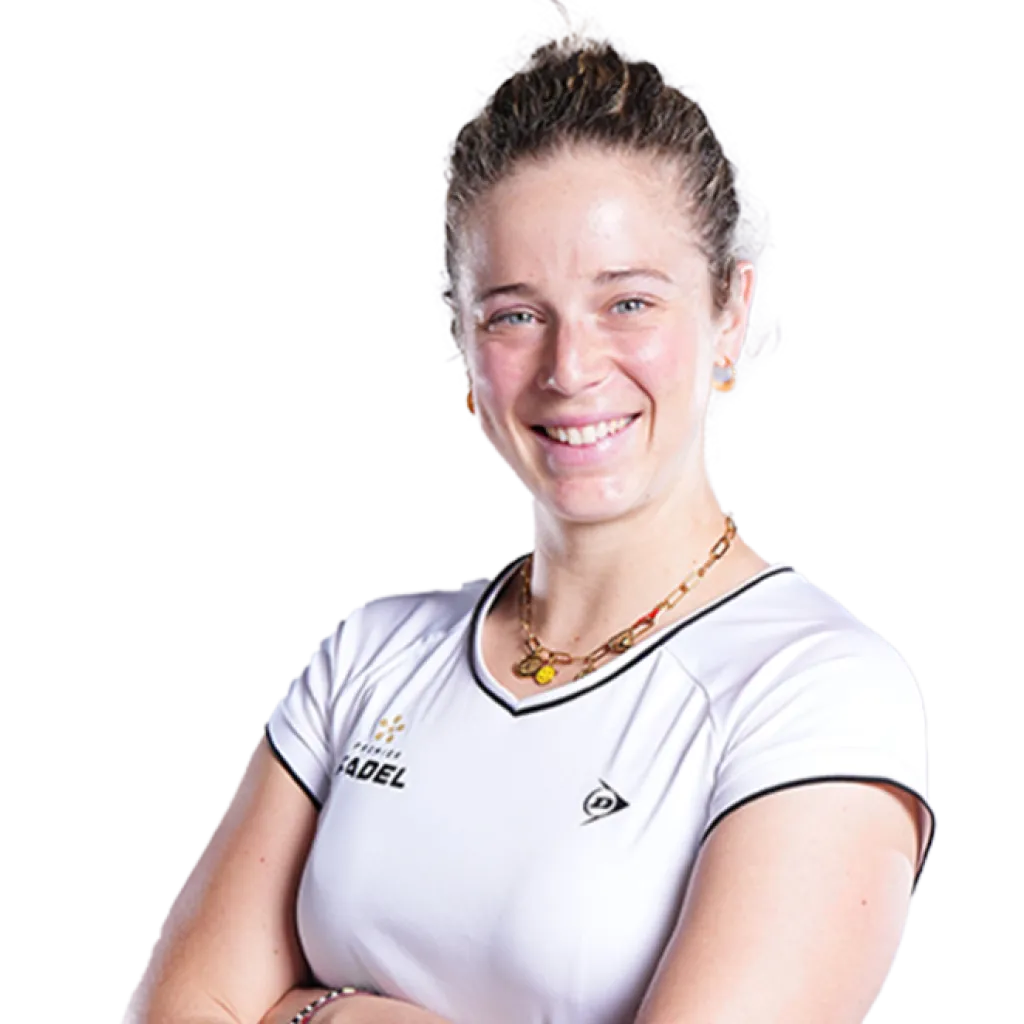
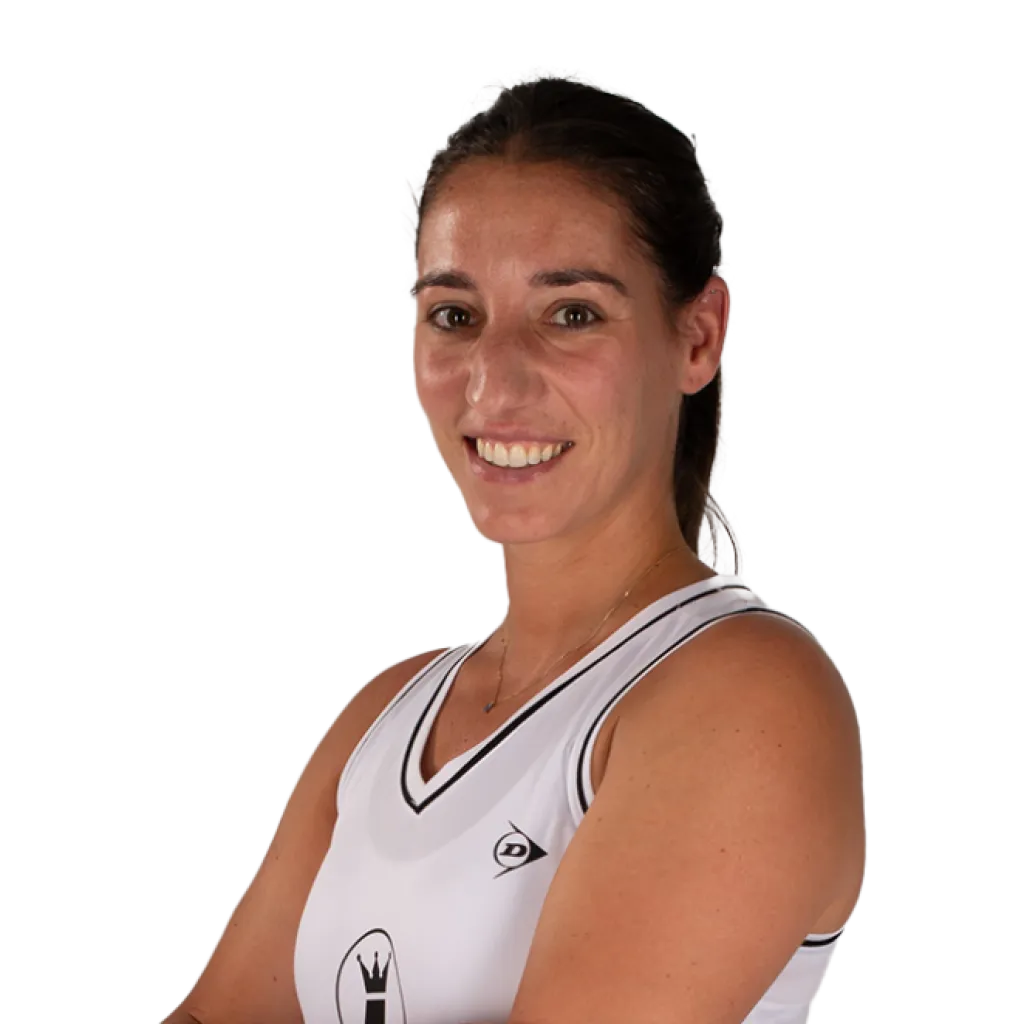
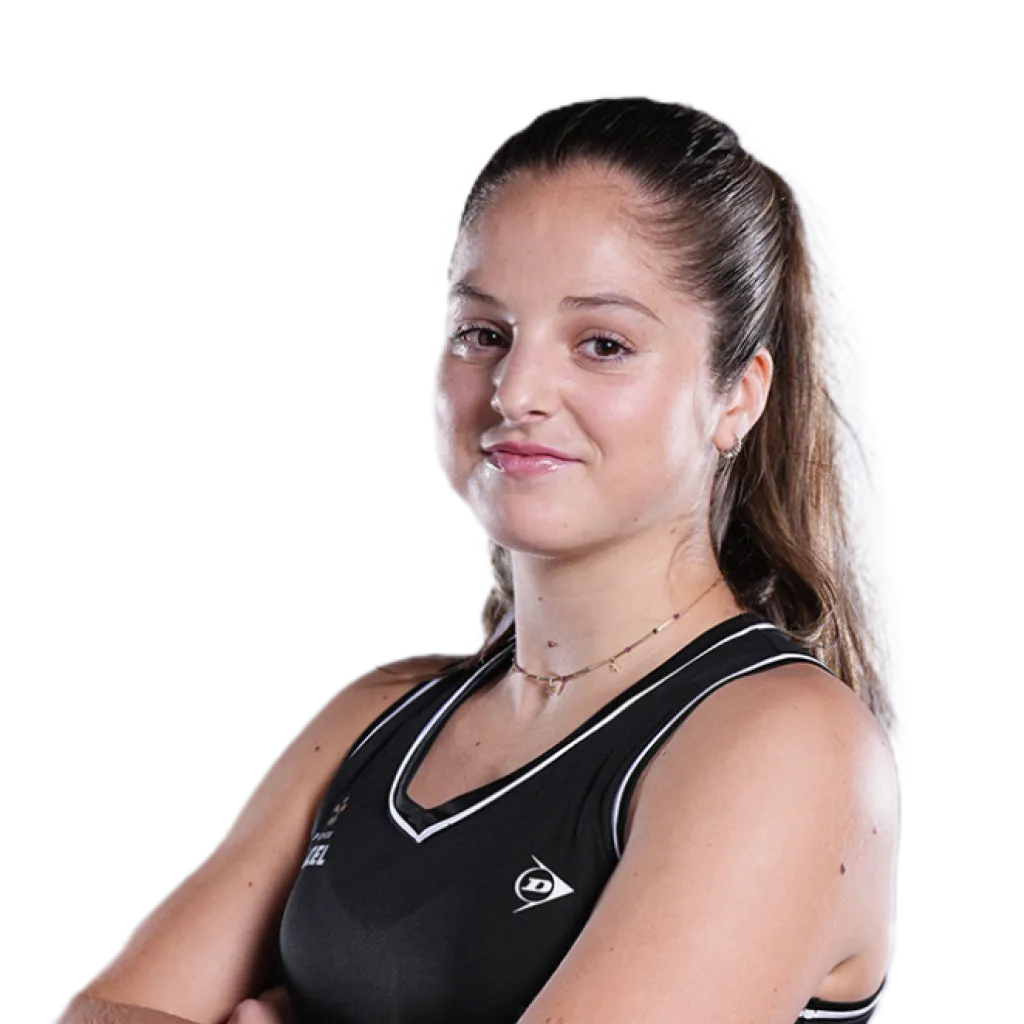
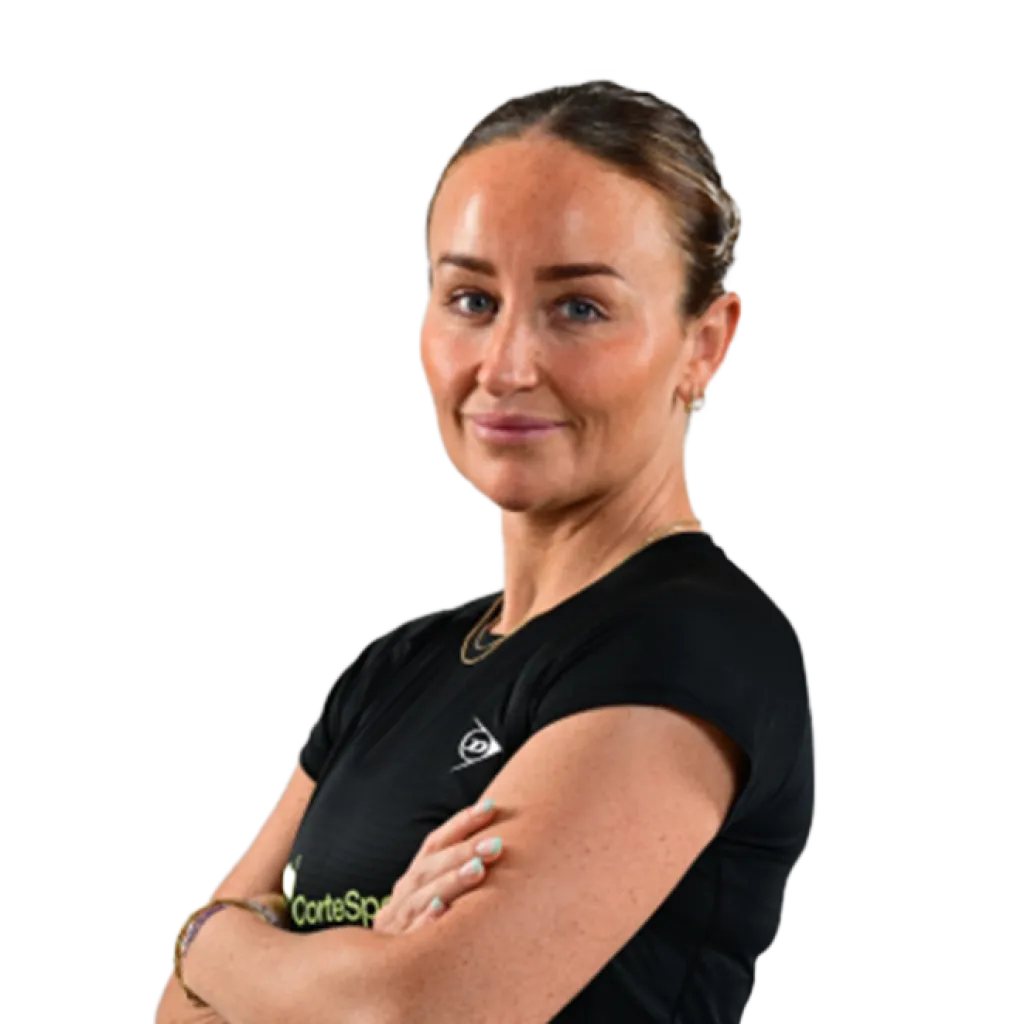
Which pros play with a Dunlop racket?
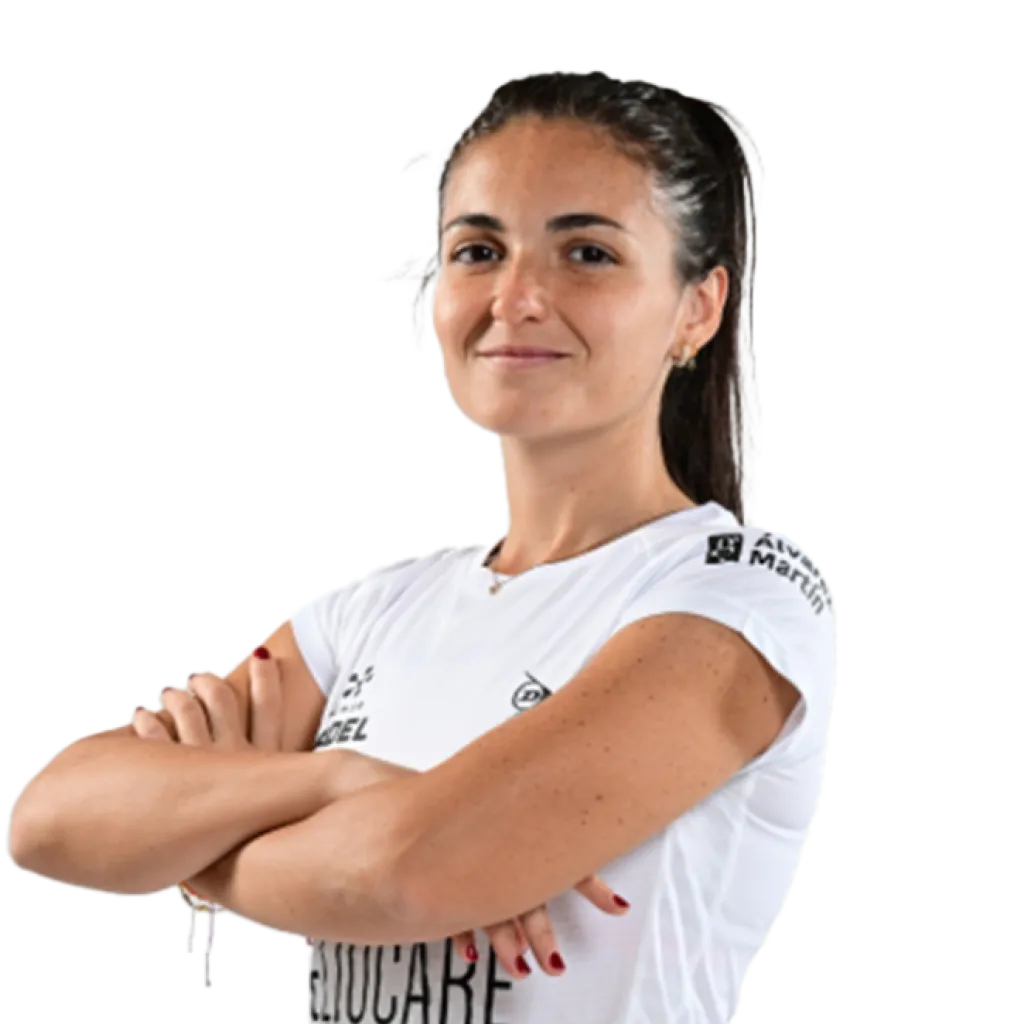
Marta Caparros Maldonado, Teresa Navarro Lopez-Barajas, Marta Borrero, Aimee Gibson and Ana Varo Ramos play with a Dunlop racket on the professional tour.
What nationality is Dunlop?
Dunlop is a United Kingdom padel brand. Its rackets are sold across Europe and Latin America through the retailers we track.
What racket ranges does Dunlop make?
Dunlop builds 3 racket ranges — FX, Galactica and Nanomax. Each range has several models tuned to different playing styles.
Is Dunlop a good padel racket brand?
5 professional players on the current tour use a Dunlop racket, which is the clearest signal there is that the brand builds at the top level. Whether it suits you is a separate question — the ranges below cover very different weights, balances and price points.
How many Dunlop rackets are there?
We track 17 Dunlop rackets currently listed by the retailers we follow, across every range and model year.
What does Dunlop bring to padel from its other racket sports?
Materials knowledge and manufacturing discipline. A company that has made tennis and squash equipment for generations has already solved problems padel specialists meet late: consistency between production runs, grip and handle ergonomics, ball behaviour across temperatures, and the testing needed to prove a frame lasts. None of that is visible in a shop, but it separates a racket that plays the same in month six from one that does not.
Why is Dunlop better known for squash than for padel?
Because squash is where the brand became the standard rather than a participant. Its balls are the reference used at professional level, which gives the name an authority in that sport no padel brand has yet earned in its own. Padel is a much younger commitment, and the company entered a market where Spanish and Argentine brands had a twenty-year head start on identity.
How does Dunlop's approach differ from the Spanish padel specialists?
Dunlop builds a line for a whole market rather than for a tour. The Spanish specialists design from the top down, starting with what a professional wants and cascading it into cheaper versions; Dunlop organises its padel frames by playing intention across every level and expects most of its volume well below the flagship. It also sells through general sports retail, not only padel shops.
What kind of player should look at Dunlop?
Players who value availability, consistency and after-sales support over the cachet of a specialist badge. Club players stepping up from a first racket, and anyone who wants to try shapes without committing to a boutique brand, are well served. Someone whose buying decision is driven by what the tour's most watched professionals play will look elsewhere.
About Dunlop
Dunlop's history runs back to a British rubber company of the late nineteenth century, and racket sports have been part of it since the interwar years. That longevity matters less as a marketing line than as an explanation of how the company behaves: it treats padel as another racket-sport category to be engineered properly rather than as a trend to be chased.
The clearest evidence of what Dunlop knows sits in squash, where its balls have been the professional reference for decades. Ball and string work is unglamorous and cumulative, and it is the part of racket-sports manufacturing that is hardest to enter. Padel asked the company for something different, a molded composite frame rather than a strung one, but the materials science, the testing culture and the distribution were already in place.
Ownership has been complicated. The Dunlop name is split across industries, and the sporting-goods business belongs to Sumitomo Rubber Industries, the Japanese group that absorbed Dunlop Sports into itself in 2018. In padel that translates into a line organised by playing intention rather than by sponsorship: Galactica for all-court balance, Aero-Star for precision and control, FX for players who want the head to do the work.
A player comes to Dunlop for reliability rather than for scene credibility. The frames are widely stocked, priced across the market rather than only at the top, and backed by a company that will still be selling padel equipment in a decade. That is a different proposition from the Spanish specialists, and for a large part of the market it is the right one.
Further reading
What Rackets Do the Pros Use? Top 100 Players' Rackets (2026)
What padel rackets do the pros use? The racket of each of the top 100 men and women, plus the shapes, brands and hardness they choose, from our data.
October 8, 2026
How to Choose a Padel Racket: Shape, Weight, Balance and Feel
How to choose a padel racket: round, teardrop or diamond, weight, balance and hardness, matched to your level. With what 188 rackets actually cost.
October 8, 2026
Best Padel Rackets for Beginners (2026): What to Buy and Why
The best padel rackets for beginners in 2026: what to look for, what to pay (most cost €60–90) and 8 round, soft models from our database.
October 8, 2026