

Joma
Joma racket ranges
5 ranges
Pros playing with a Joma racket
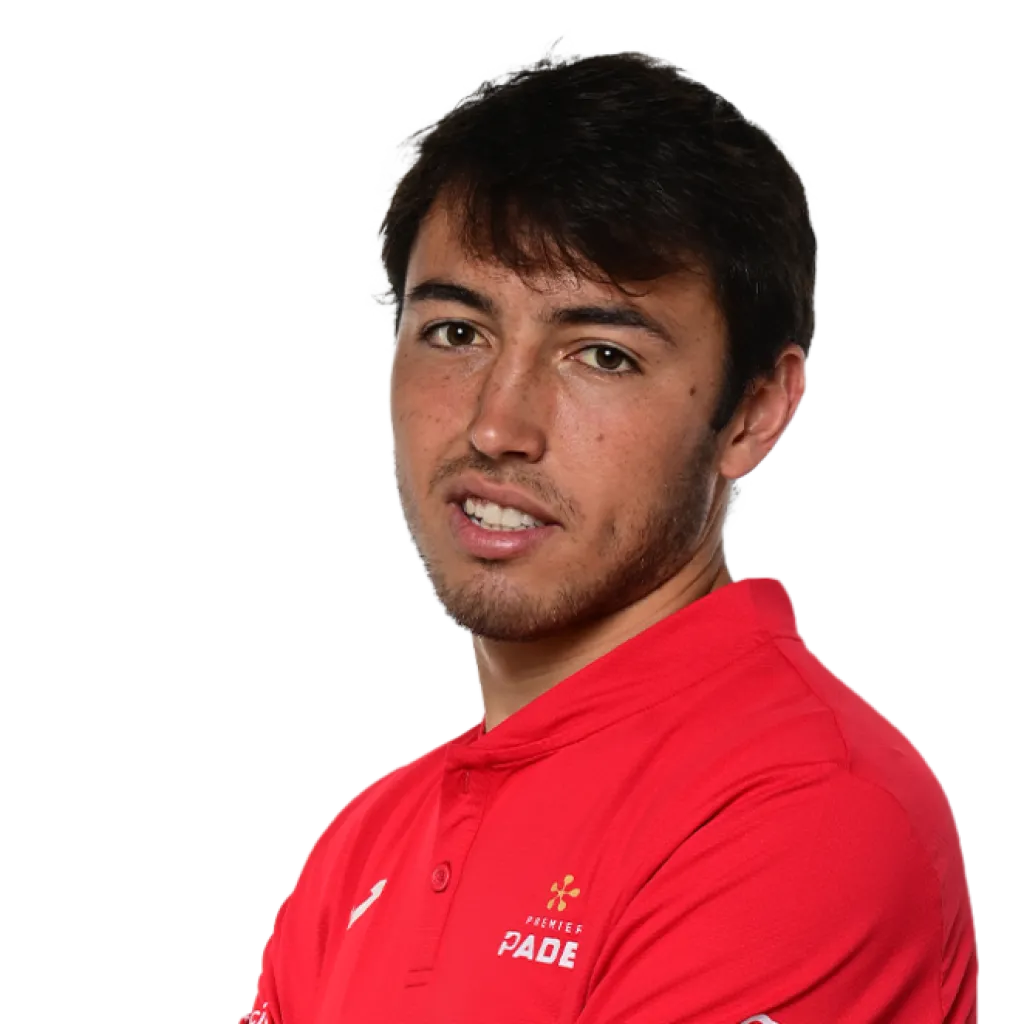
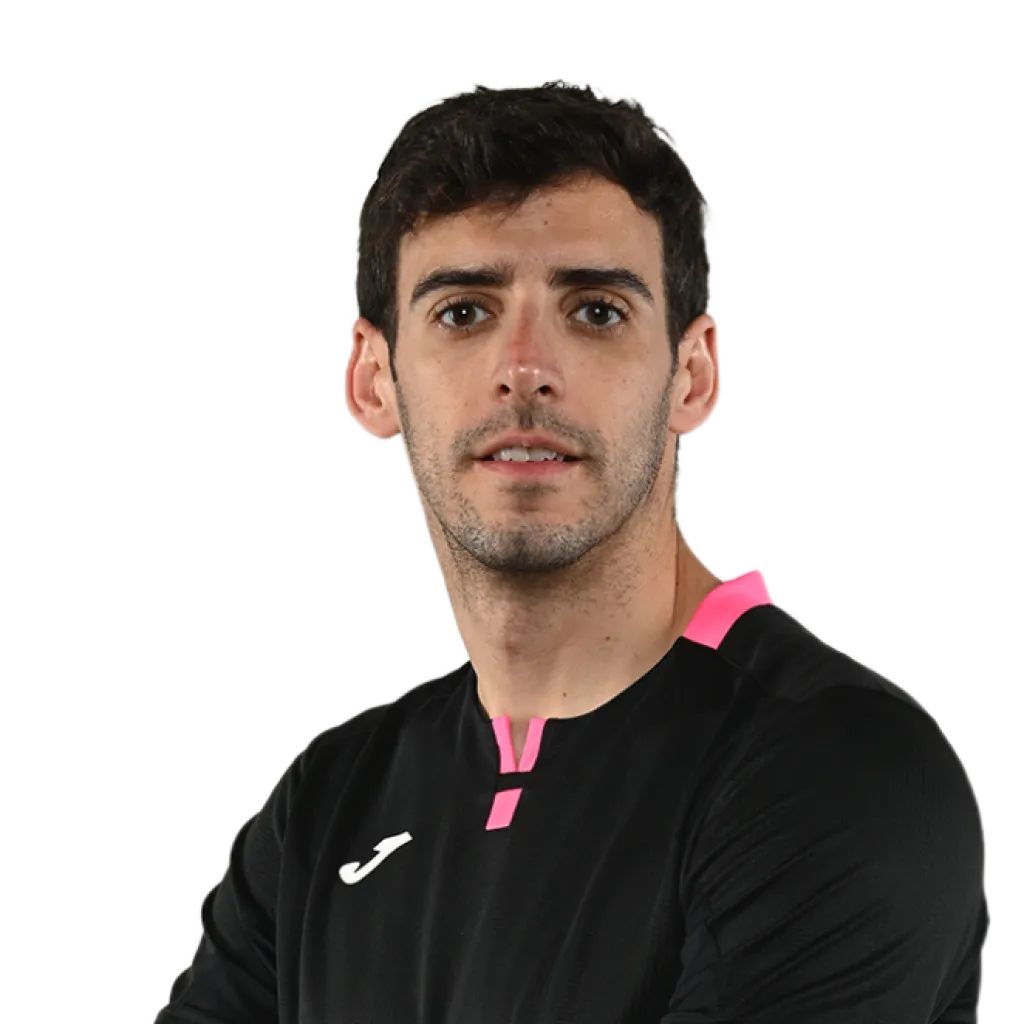
3 players

Joma questions
Which pros play with a Joma racket?
Veronica Virseda, Juanlu Esbri and Jose Antonio Diestro play with a Joma racket on the professional tour.
What racket ranges does Joma make?
Joma builds 4 racket ranges — Blast, Hyper, Iconic and Valkiria. Each range has several models tuned to different playing styles.
Is Joma a good padel racket brand?
3 professional players on the current tour use a Joma racket, which is the clearest signal there is that the brand builds at the top level. Whether it suits you is a separate question — the ranges below cover very different weights, balances and price points.
How many Joma rackets are there?
We track 10 Joma rackets currently listed by the retailers we follow, across every range and model year.
Why is Joma better known for padel shoes than for padel rackets?
Because the shoes came first and arrived with sixty years of footwear behind them. Joma was equipping tours and federations before its racket line had any comparable standing, and a court shoe is a product it had been solving in other sports since the 1960s. The rackets are a newer business competing against brands that have made nothing else.
What kind of player is a Joma racket aimed at?
The club player who wants a well-made frame without paying for a signature line. The range is organised by playing intention rather than by tier, and the top of it uses the same carbon and core construction as the specialists, but the brand does not spend on the sponsorship arms race that sets the prices at the very top of the market.
How does a football brand end up supplying the International Padel Federation?
By being a kit supplier first and a racket maker second. Federations buy apparel, footwear and team kit in volume, which is exactly what Joma has manufactured at scale since the 1960s, and it is a category most padel-only brands cannot serve. The racket line then benefits from visibility it did not have to buy separately.
Is Joma a padel specialist?
No, and it does not present itself as one. It is a general sportswear manufacturer with a padel line, which is a different proposition from a company that makes nothing but padel rackets. That brings scale, distribution and durability, and it costs the brand the single-minded product identity that makes players stay with a specialist for years.
About Joma
Joma was founded in Portillo de Toledo in 1965 by Fructuoso López, who named it after his first son, José Manuel. The company moved into sports footwear in 1968 and spent the following decades building a reputation in football and athletics: by 1992 it led the Spanish football boot market, and Fermín Cacho took Olympic middle-distance gold in Barcelona that summer in Joma shoes. That inheritance — a shoemaker first, an apparel house second — is what explains its position in padel.
Where most padel brands arrived as racket makers looking for a court to sell into, Joma arrived through the feet. It became the official footwear of the World Padel Tour and, in 2021, the official apparel and footwear supplier of the International Padel Federation, before its racket line had any comparable standing. It has since taken technical footwear roles with the A1 Padel circuit and the Asia Pacific Padel Tour, and supplied footwear and rackets at individual Premier Padel events.
The rackets have caught up more than their reputation suggests. The line is now organised into a small number of named families rather than a price ladder, and most of them ship in two builds — a firmer, higher-balanced version for players who finish points, and a softer, lower-balanced one for players who work the ball — so the choice a buyer makes is about intention rather than about spending more. Carbon faces, textured spin surfaces and frame reinforcement at the head are standard across the top of it.
Its player relationships lean the same way as the rest of the company: long, quiet and built around named collaborations rather than auction-priced contracts. Vero Virseda and Juanlu Esbrí front the current line, and Carolina Navarro's association with the brand has outlasted her playing career. For a player already wearing the shoes, the racket is a natural extension; for anyone else, it is a serious mid-market option from a company with deeper roots in sport than most of the padel-only labels it sits beside.