

Kuikma
Kuikma racket ranges
1 range
Pros playing with a Kuikma racket
3 players
Kuikma questions
Which pros play with a Kuikma racket?
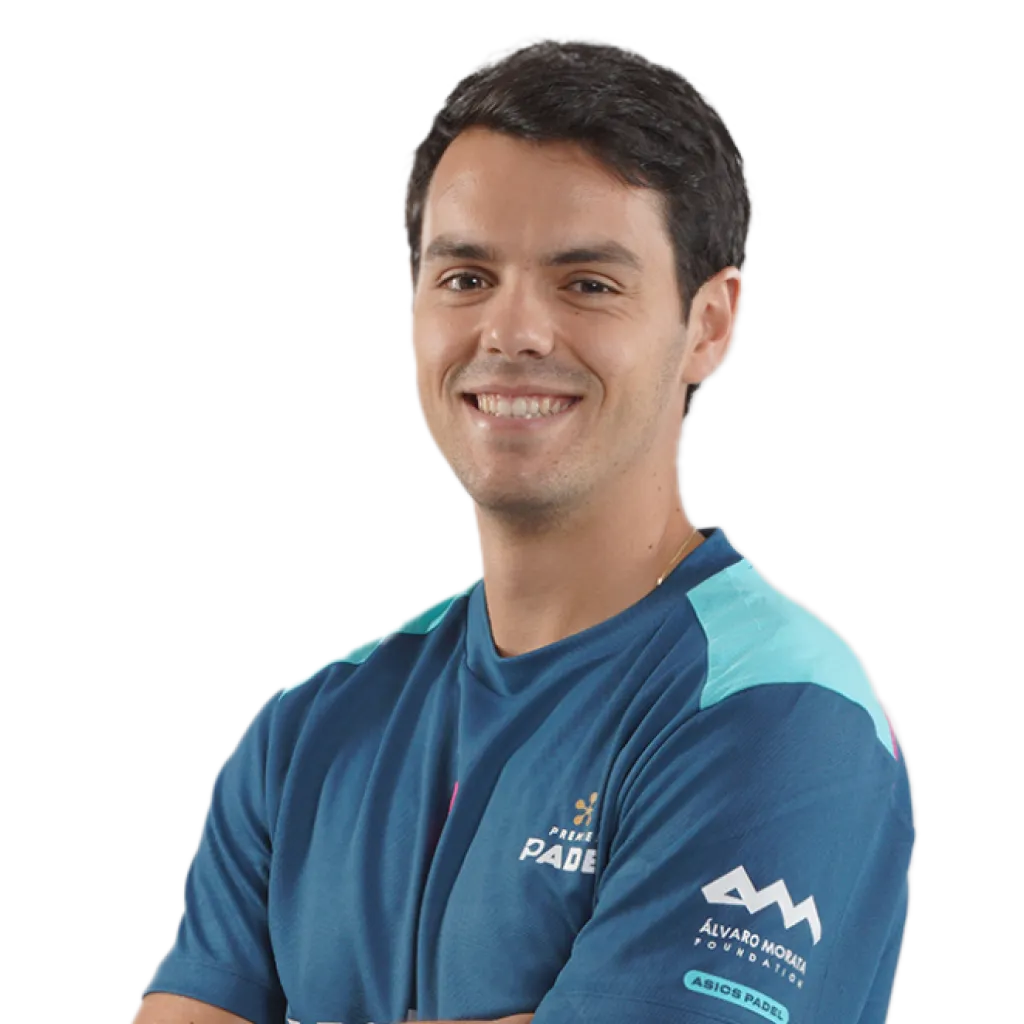
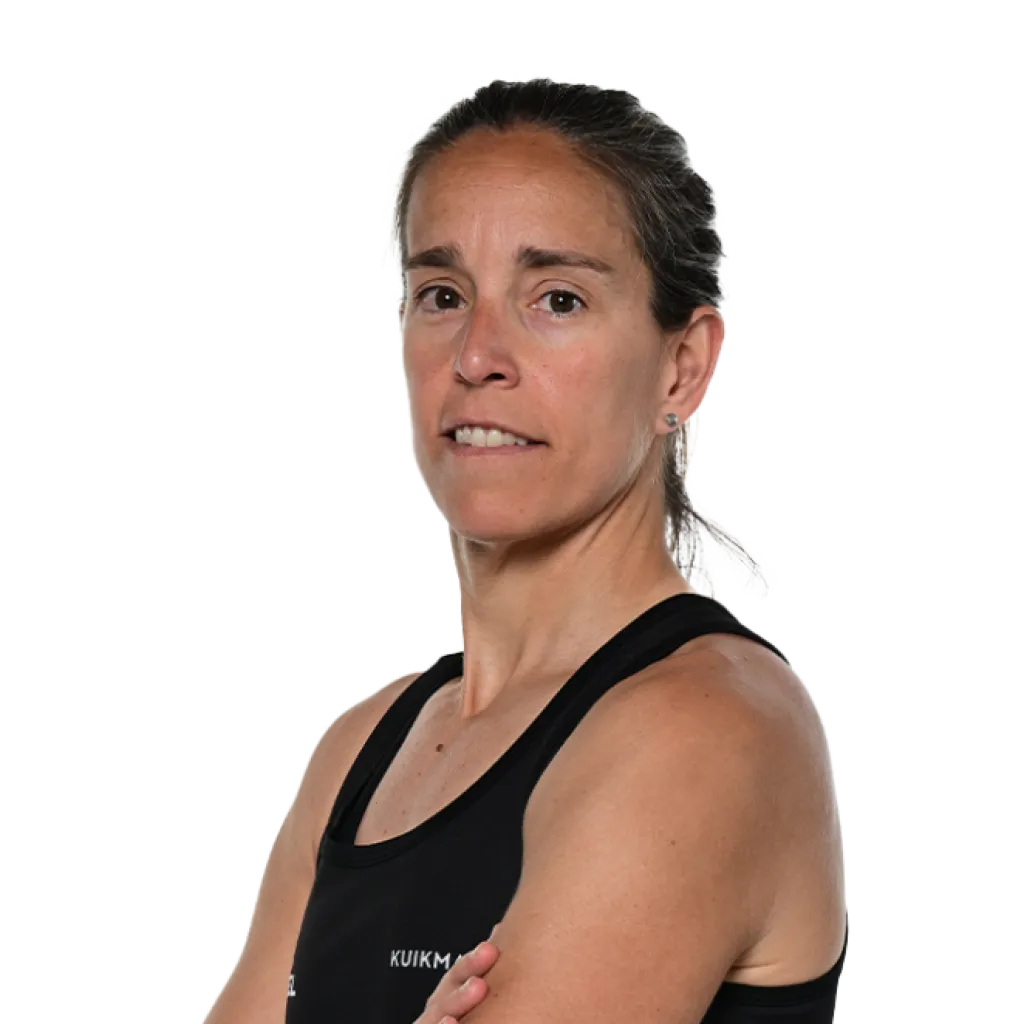
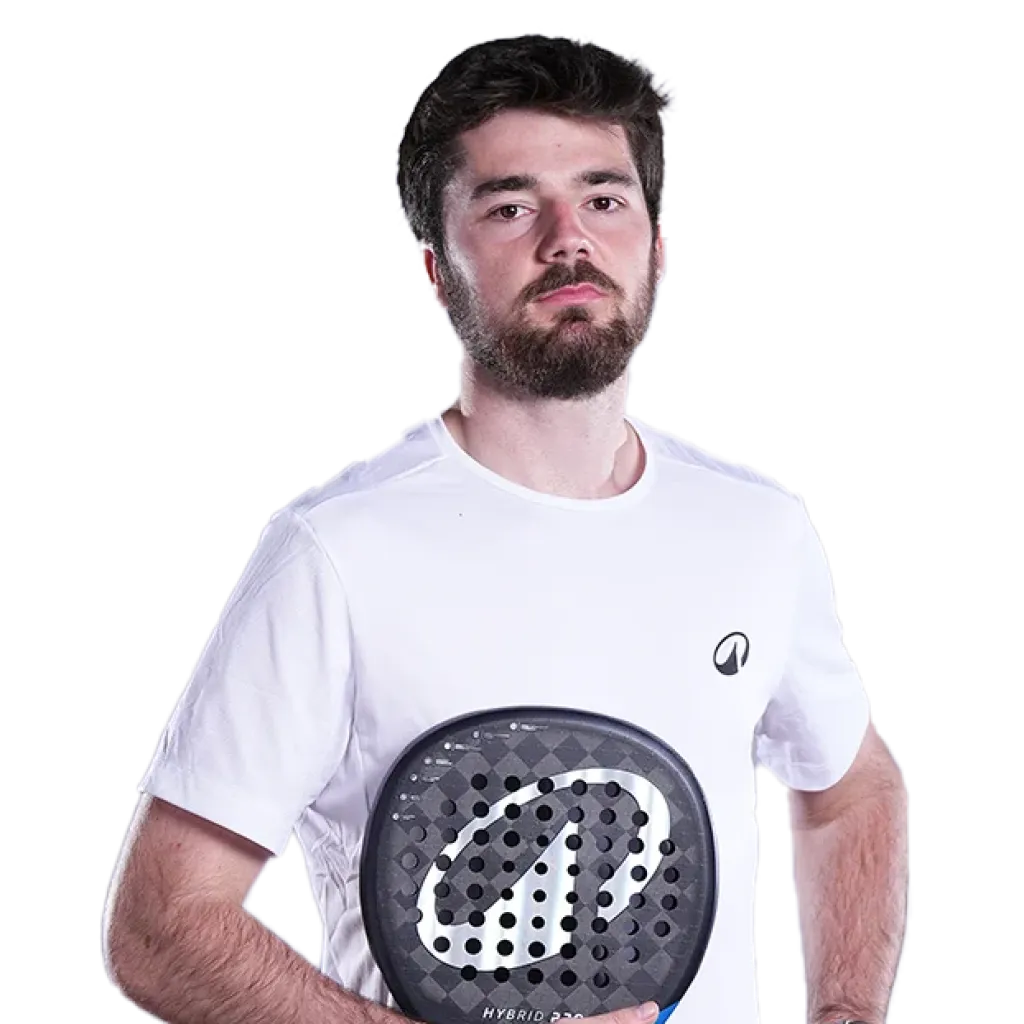
Jorge Nieto, Lucia Sainz Pelegri and Dylan Guichard play with a Kuikma racket on the professional tour.
What racket ranges does Kuikma make?
Kuikma builds 1 racket range — PR. Each range has several models tuned to different playing styles.
Is Kuikma a good padel racket brand?
3 professional players on the current tour use a Kuikma racket, which is the clearest signal there is that the brand builds at the top level.
How many Kuikma rackets are there?
We track 4 Kuikma rackets currently listed by the retailers we follow, across every range and model year.
Why did Decathlon give padel its own brand instead of using Artengo?
Because a label serving tennis, badminton and table tennis at once could not be specific enough about any of them. Padel frames are molded composites with no strings, a different manufacturing problem from every other racket sport Artengo covered, and the sport was growing fast enough to carry a brand alone. Splitting it out also allowed the team to move to Spain, which a shared label could not have justified.
Does a retailer's own brand make a serious padel racket?
At the top of its line, yes, and the evidence is no longer just the specification. The brand develops in Madrid, publishes its molds and core densities rather than hiding them, and since 2026 has put frames under professionals on the men's and women's tours. What it still cannot offer is the resale value and second-hand market a specialist badge carries.
What does Kuikma being based in Madrid actually change?
It shortens the loop between the people designing a frame and the people playing on it. Spain has the courts, the coaches and the professionals, so a team based there can test a mold in a week rather than shipping prototypes across a continent. It is also a statement of intent: no other Decathlon sport had been moved out of France.
What does signing tour professionals do for a brand built on price?
It changes what the top of the range is allowed to be. A brand whose reputation rests entirely on value has no reason to build an expensive frame, because nobody would believe in it. A professional contract creates the obligation and the proof at once, and it gives the rest of the line something to descend from — which is how every specialist brand has always worked.
What is the catch with buying Kuikma?
Distribution. The rackets are sold through Decathlon and almost nowhere else, so they are rarely on a shelf beside the brands they compete with and rarely available to demo against them. A buyer who wants to hit three frames back to back before choosing will struggle, and anyone without a store within reach is buying unseen.
About Kuikma
Decathlon had been selling padel rackets since 1996, under Artengo, the label covering all of its racket sports. By the middle of the 2010s that arrangement had become the problem: a brand serving tennis, badminton and table tennis at once was too general for padel, and too focused on beginners to be taken seriously by anyone else.
The response was unusually deliberate for a retailer's own label. In 2016 padel was separated out into its own brand and the team was moved to Madrid — the first time Decathlon had based one of its sports outside France, and an admission that padel could not be designed at arm's length from the country that plays it. A dedicated development centre followed, and the brand launched as Kuikma in 2019.
What that bought was credibility it could not have had otherwise, and the brand has spent the years since climbing a field it entered at the bottom of. In January 2026 it signed Coki Nieto, one of the men's tour's established names, on a three-year deal, and stated the ambition without hedging it: a Premier Padel title won with a Decathlon racket. Lucía Sainz had already given it a co-developed signature frame, and the roster around them is built from tour players rather than from ambassadors.
The line reorganised with them. A professional tier now sits above the carbon range beneath it, and each is split by intention — power, hybrid, control — rather than by a ladder of model numbers, so a player chooses the shape first and the tier second. Molds, cores and carbon layups are explained rather than hidden behind marketing language, which is rarer at this end of the market than it ought to be.
The trade-off is distribution. Kuikma is sold through Decathlon and effectively nowhere else, so it is rarely stocked beside the brands it competes with and rarely demoed against them. For a player who can get to a store, it remains the most direct route from a beginner's budget to a serious racket without changing brand.