

Oxdog
Oxdog racket ranges
3 ranges
Pros playing with a Oxdog racket
3 players
Oxdog questions
Which pros play with a Oxdog racket?
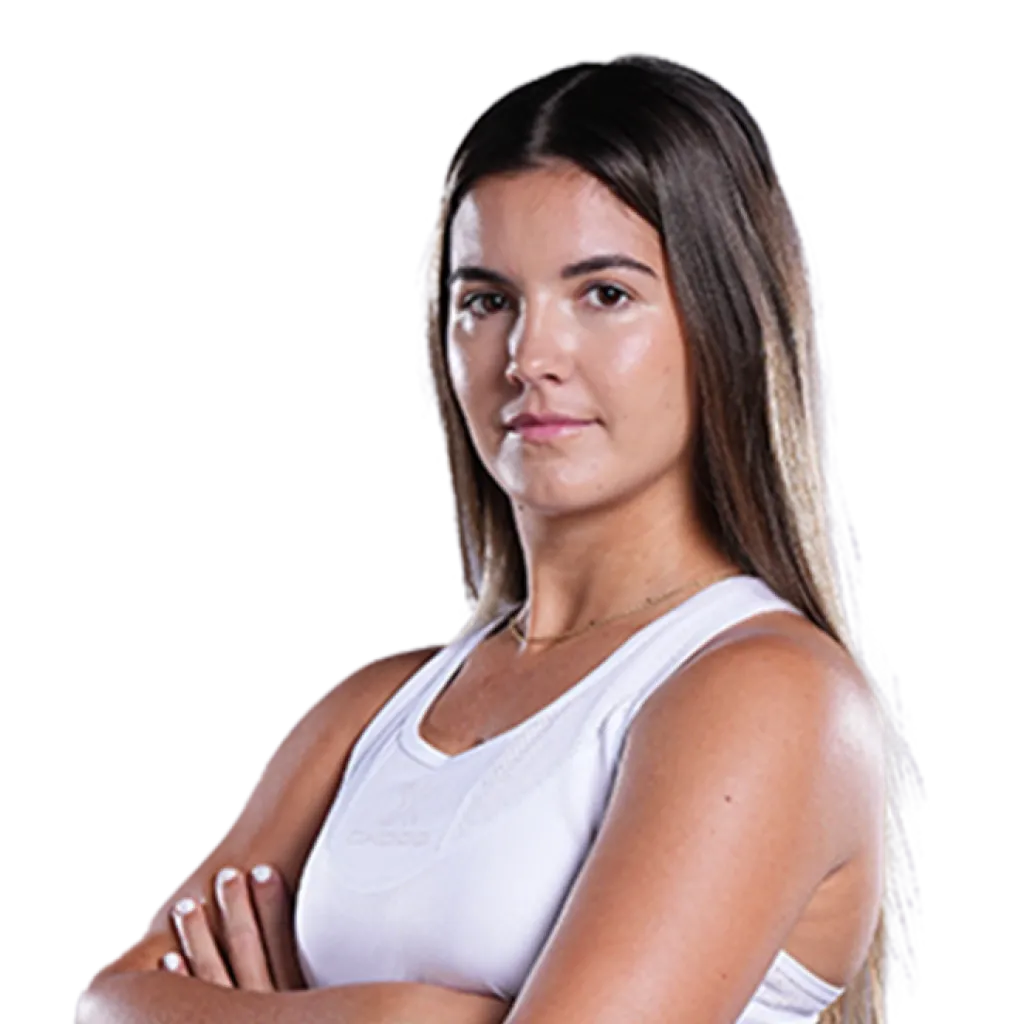
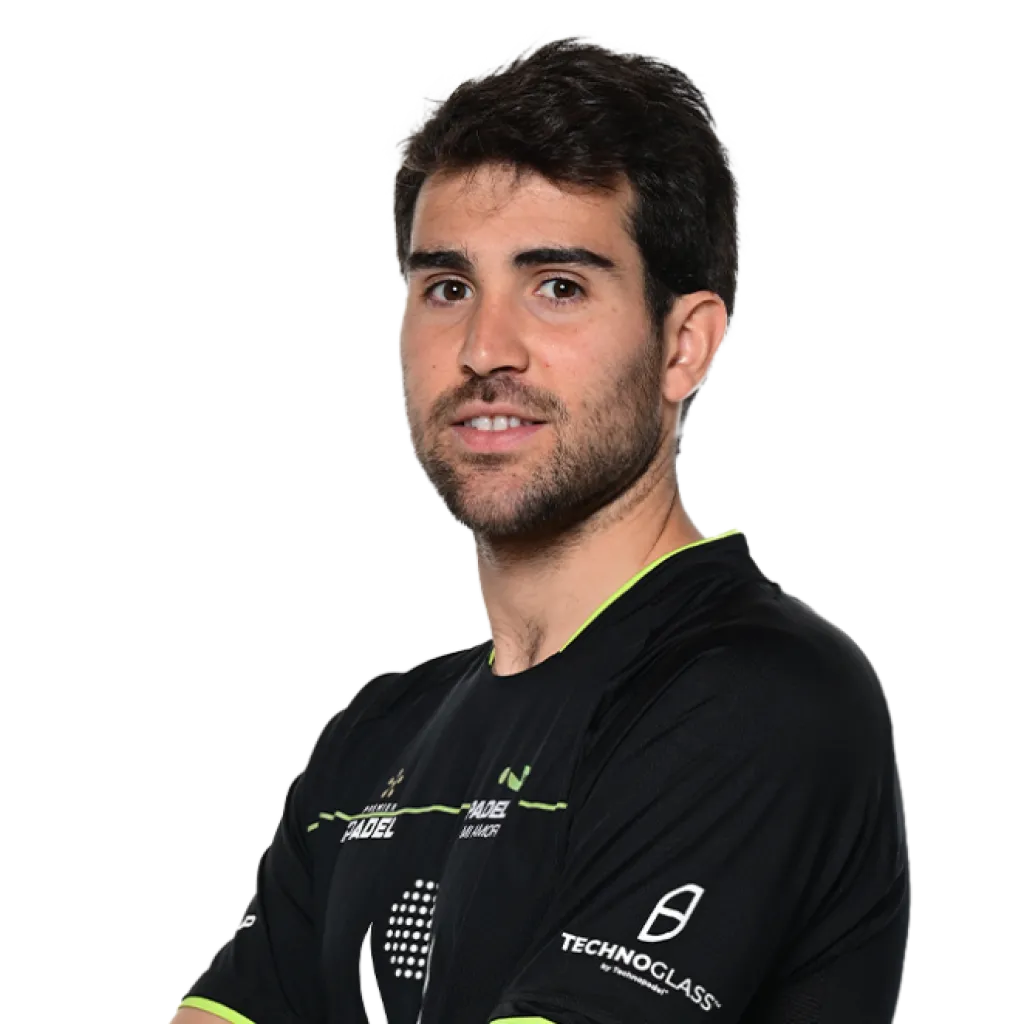
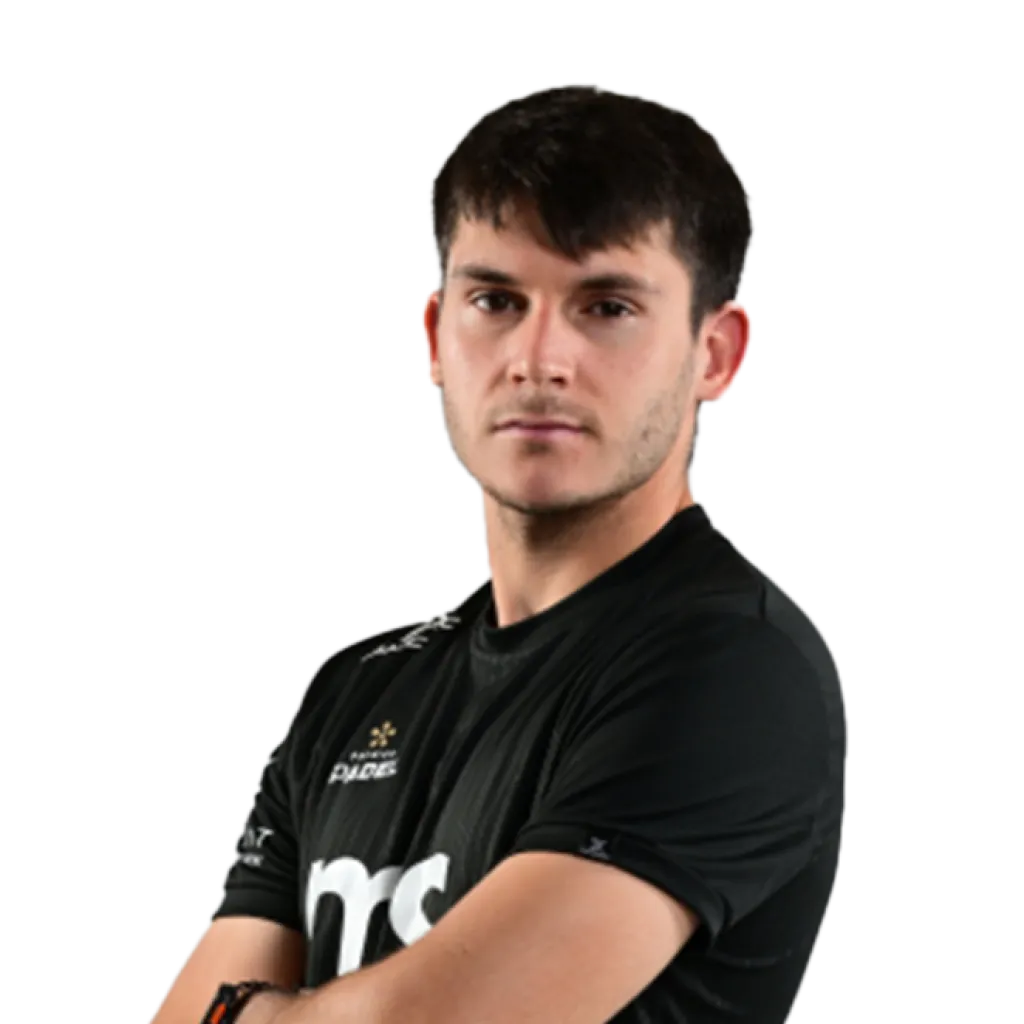
Noa Canovas Paredes, Teodoro Zapata and Arnau Ayats play with a Oxdog racket on the professional tour.
What racket ranges does Oxdog make?
Oxdog builds 3 racket ranges — Hyper, Pure and Ultimate. Each range has several models tuned to different playing styles.
Is Oxdog a good padel racket brand?
3 professional players on the current tour use a Oxdog racket, which is the clearest signal there is that the brand builds at the top level. Whether it suits you is a separate question — the ranges below cover very different weights, balances and price points.
How many Oxdog rackets are there?
We track 10 Oxdog rackets currently listed by the retailers we follow, across every range and model year.
What does floorball have to do with padel rackets?
More than it sounds. A floorball stick is a carbon-composite shaft whose stiffness, weight distribution and vibration behaviour decide how it plays, and those are the same variables that govern a padel racket. Oxdog spent a decade solving them in one sport before applying the same manufacturing knowledge to the other, which is why its rackets are sold on construction rather than on lineage.
Is Oxdog taken seriously against the Spanish padel brands?
It is respected for engineering rather than for pedigree. Oxdog has none of the tour history that Bullpadel, Nox or Head can point to, and its professional roster is smaller. What it offers instead is a technical argument — carbon layup, aerodynamics, adjustable balance — and pricing that undercuts the established names at comparable specifications. That has won it a following in northern Europe in particular.
Who is an Oxdog racket suited to?
Players who choose equipment on specification rather than on who endorses it. The line covers club through advanced levels, and the adjustable weighting suits anyone who likes to tune a frame rather than accept it as delivered. Players who want the reassurance of a racket with a long competitive record will be better served elsewhere.
Why did a floorball company move into padel at all?
Because padel grew fastest in exactly the markets where floorball is strongest. The Nordic countries built courts at pace through the late 2010s and early 2020s, putting a large new customer base in front of a company that already sold carbon sports equipment to those same players and already knew how to make it. The overlap in materials and in customers made it a smaller leap than it looks.
About Oxdog
Oxdog was founded in 2011 around floorball, a sport in which the product is a carbon shaft and a blade, and in which small changes to layup and flex decide whether a stick competes. The company built its reputation there while padel was still barely a market outside Spain and Argentina.
The move into padel in the early 2020s was a materials decision as much as a commercial one. A padel racket is a carbon composite around a foam core, and a manufacturer that has spent a decade tuning stiffness and vibration in one carbon product has a defensible reason to make another. That is a different origin from most of the field, which comes either from Spanish padel specialists or from tennis houses extending a catalogue.
Oxdog sells its rackets on construction rather than heritage — aerodynamic profiling, carbon layup, and adjustable weighting that lets a player alter how a frame behaves. In a category where much of the marketing rests on which professional plays what, an argument built on engineering is a genuine point of difference, and it has found an audience among the Nordic players who took up the sport during the region's court-building boom.
The limits are the ones any newcomer carries. Oxdog has no long line of tour titles behind its rackets, its professional roster is thin beside the Spanish brands, and its distribution outside northern Europe is patchy. A player choosing one is buying the engineering argument rather than the pedigree — which, at the prices it charges, is a reasonable trade.