

Nox
Nox racket ranges
11 ranges
The part worth knowing before you shop: the second word in a Nox name is usually a series, not a family. Ventus, Quantum and Luxury are collections that Nox applies across several signature lines and changes between seasons — an ML10 has been sold as Ventus, as Quantum and as Pro Cup Luxury in consecutive years. The code stays put while the series rotates, so if you liked a racket, follow the code rather than the collection name.


Pros playing with a Nox racket
9 players
Nox questions
Which pros play with a Nox racket?
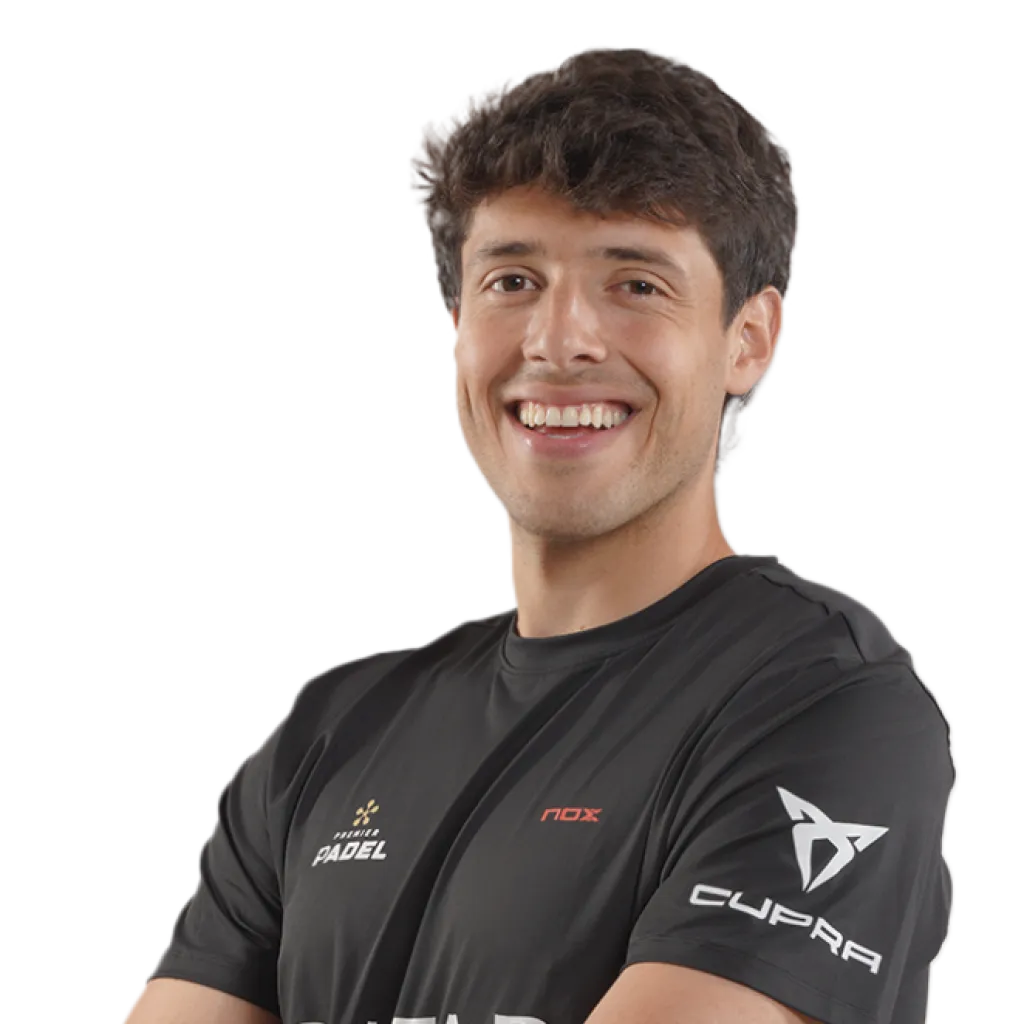
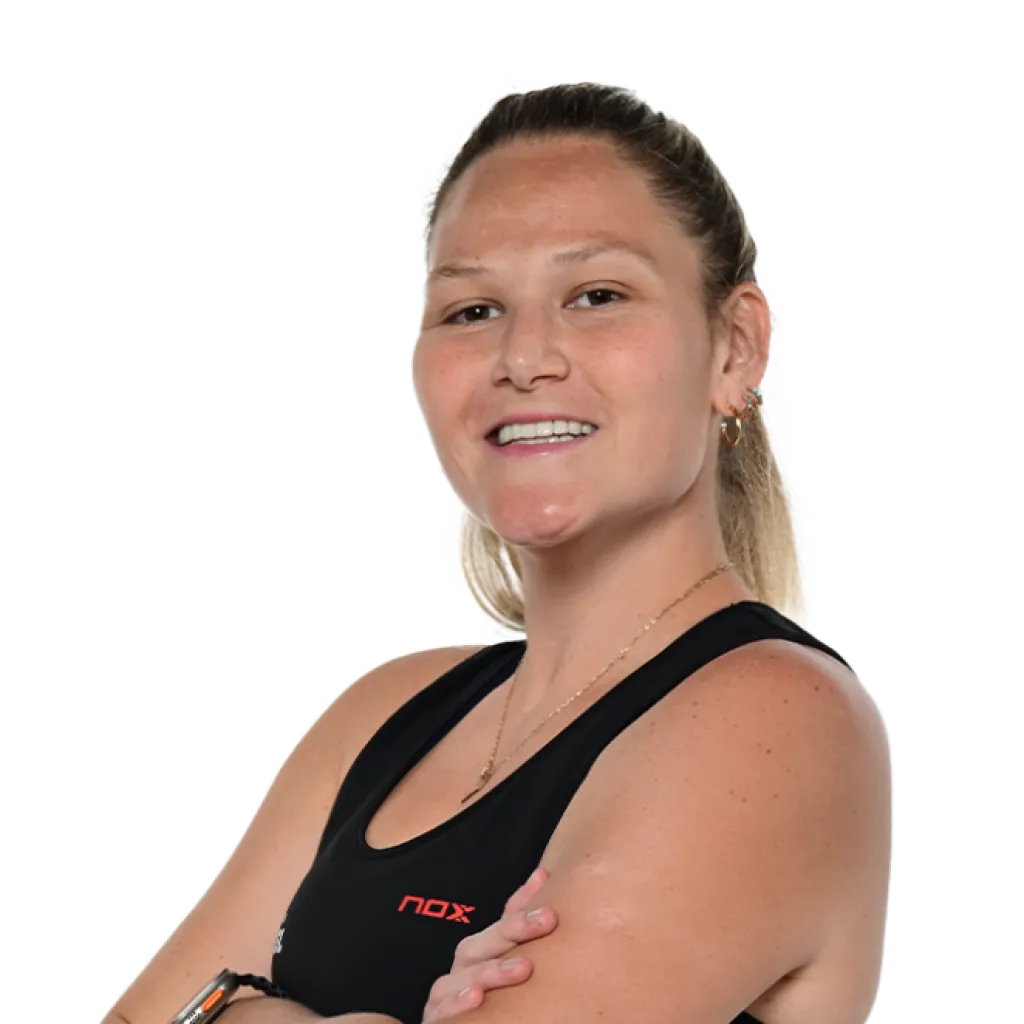
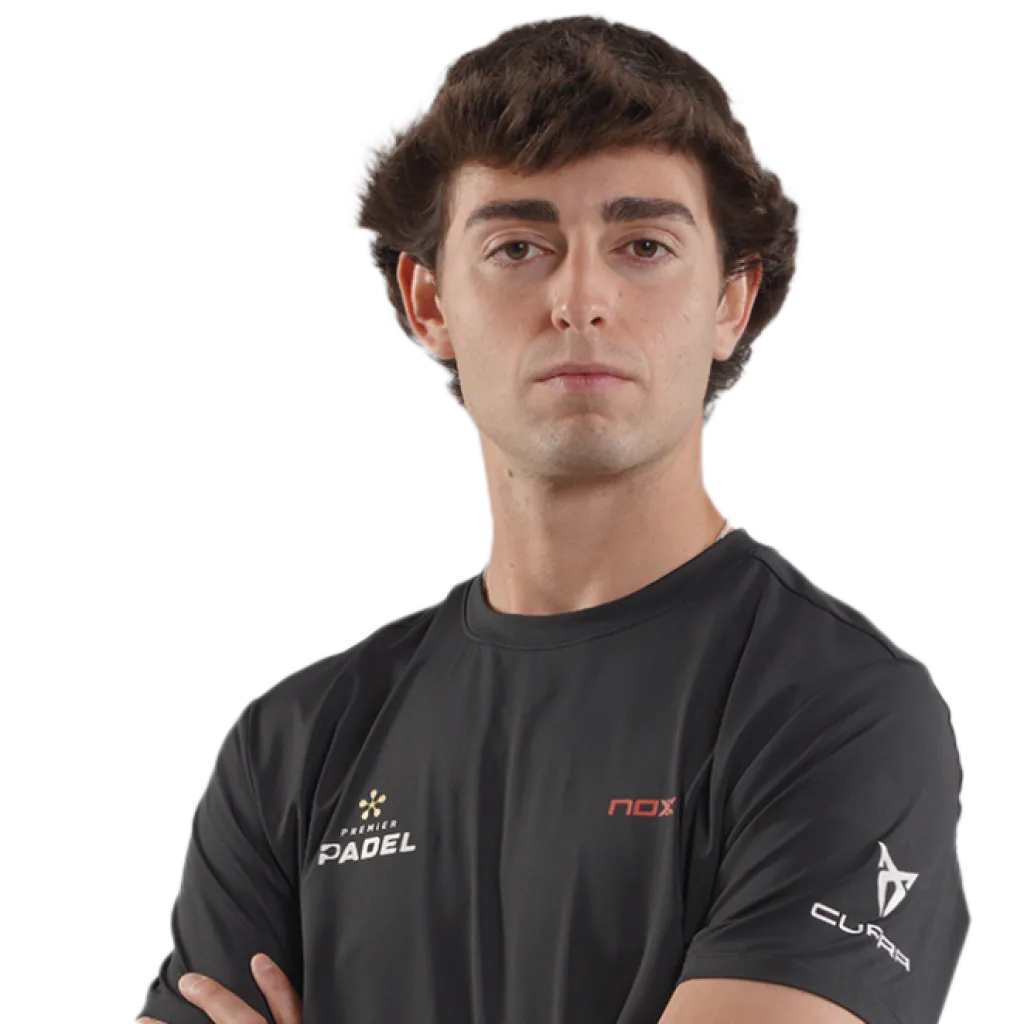
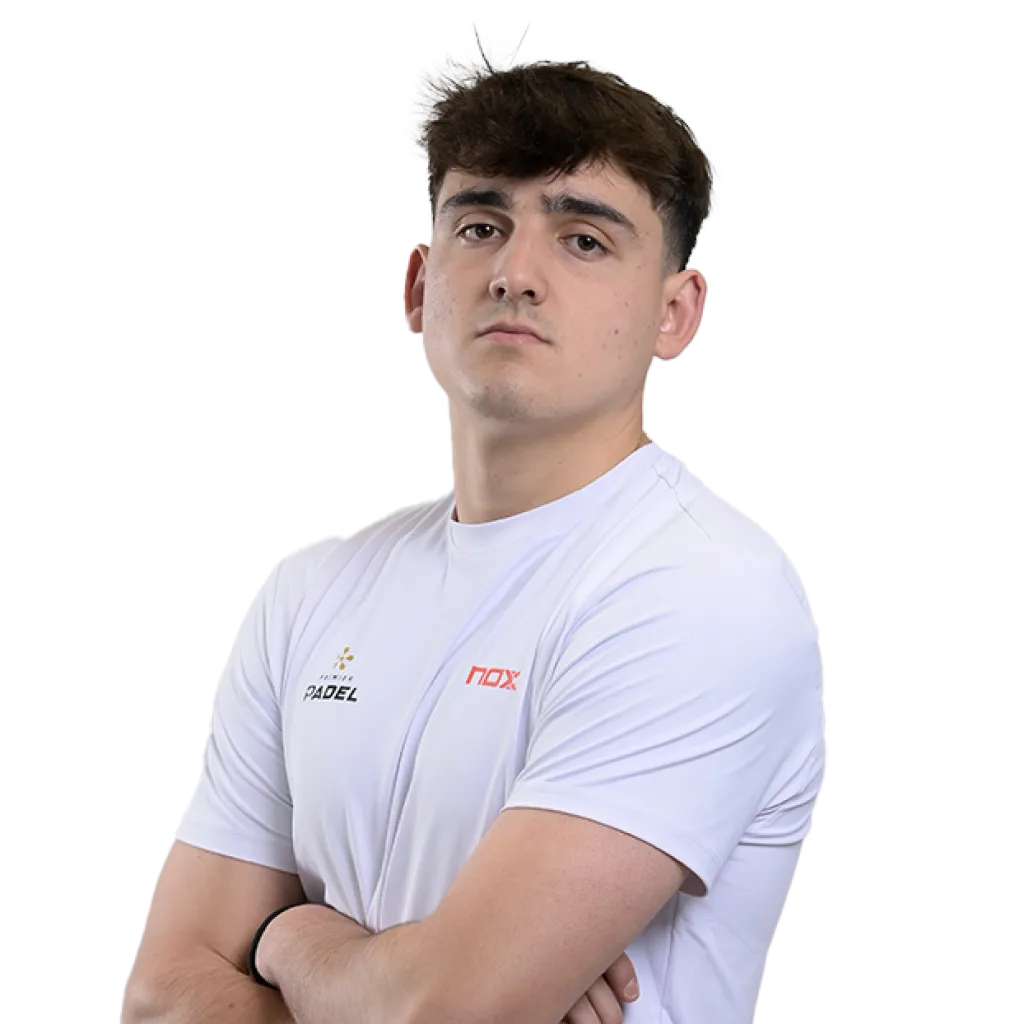
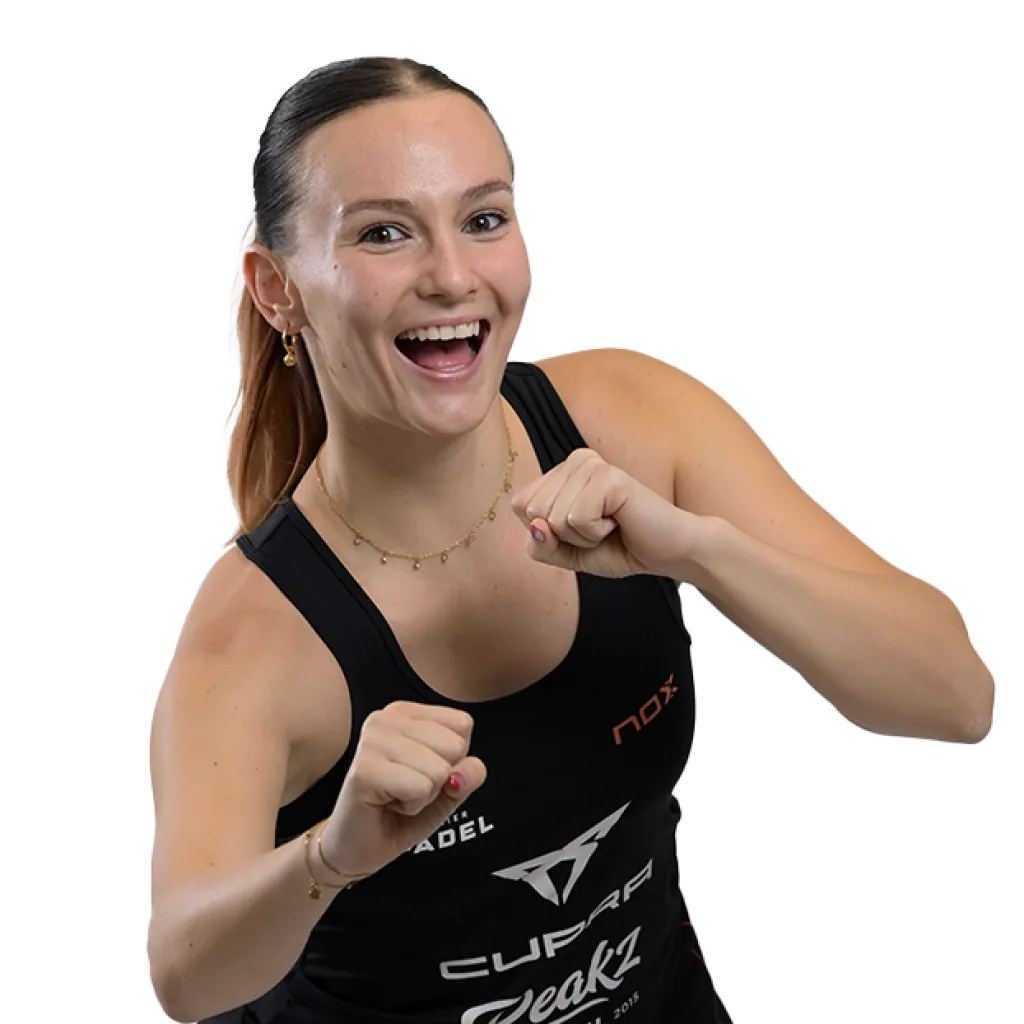
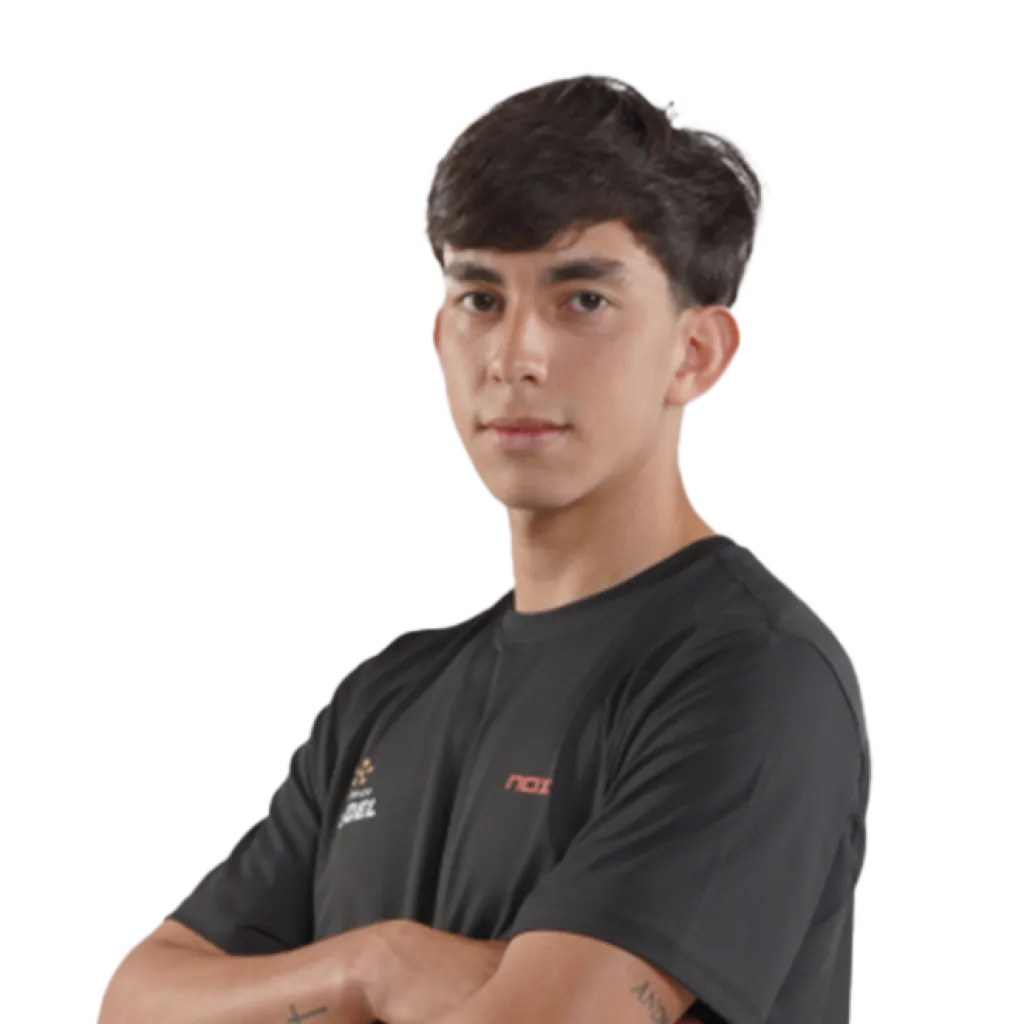
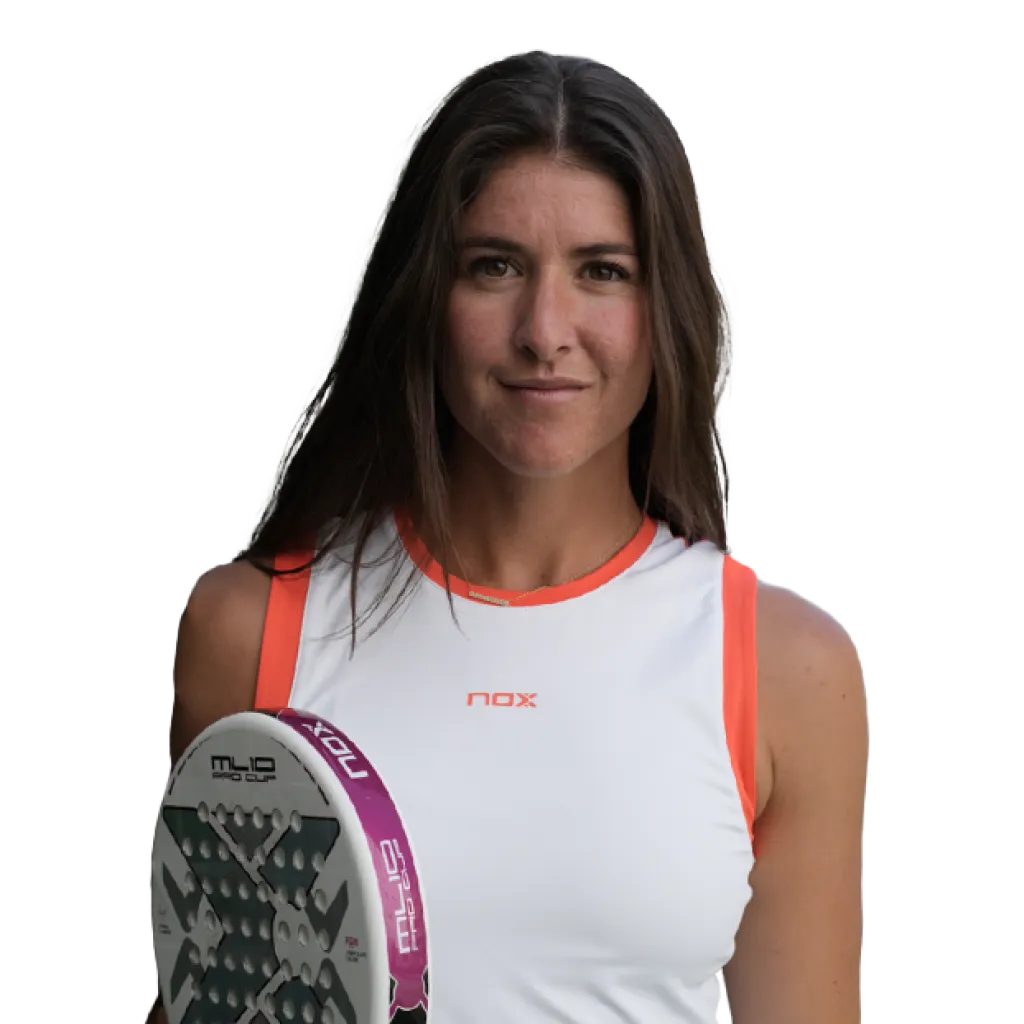
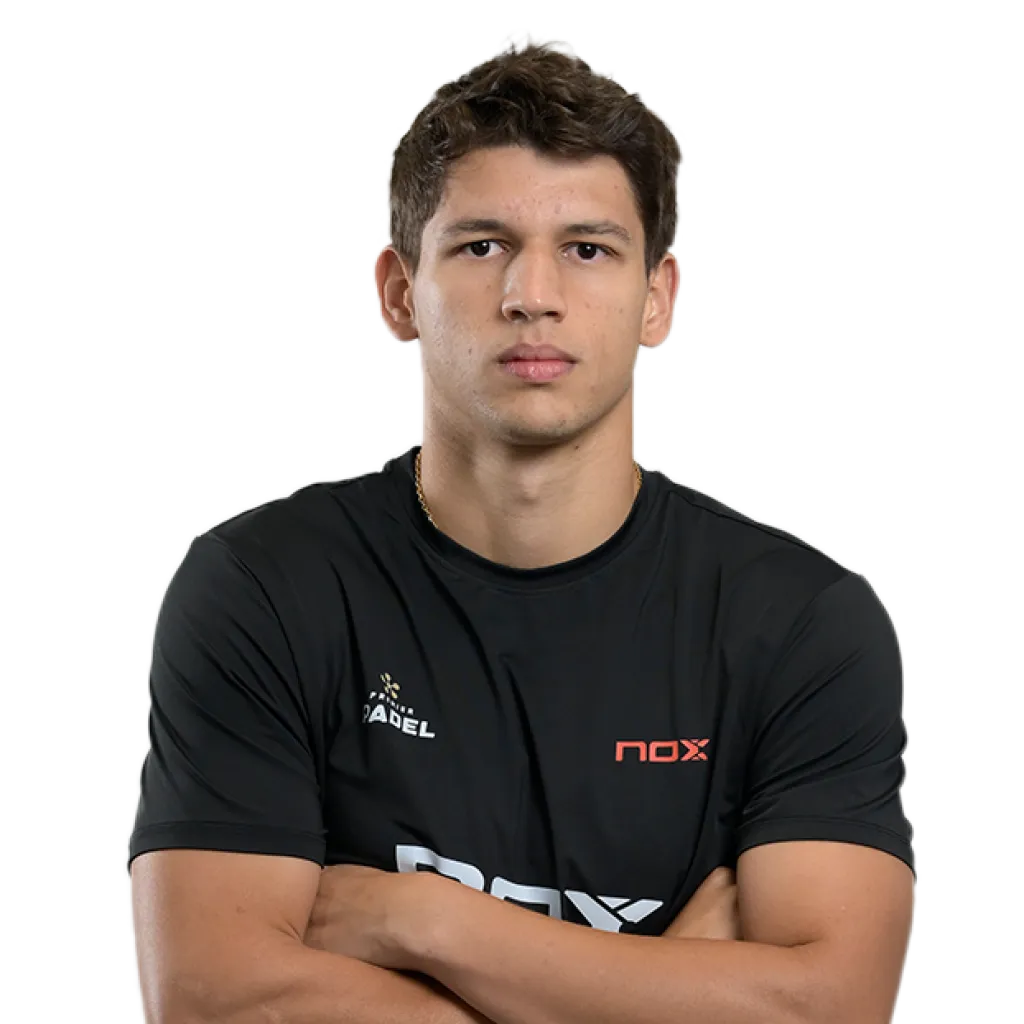
Agustin Tapia, Aranzazu Osoro Ulrich, Edu Alonso, Aimar Goñi, Victoria Kurz and 3 more play with a Nox racket on the professional tour.
How much does a Nox racket cost?
Nox rackets currently run from 70 to 390 EUR, depending on the model and how recent it is. The cheapest right now is the Nox X-Zero.
What racket ranges does Nox make?
Nox builds 11 racket ranges — AT10, EA10, Equation, Future, LA10, ML10 and others. Each range has several models tuned to different playing styles.
Is Nox a good padel racket brand?
8 professional players on the current tour use a Nox racket, which is the clearest signal there is that the brand builds at the top level. Whether it suits you is a separate question — the ranges below cover very different weights, balances and price points.
How many Nox rackets are there?
We track 37 Nox rackets currently listed by the retailers we follow, across every range and model year.
How did Nox become a private-equity target?
By turning a Spanish specialist into an export business. More than half its revenue was already international by early 2024, supported by its own factory in Paraguay, a dedicated US arm and expansion into pickleball. GPF Partners invested in 2024 and Oakley Capital followed with a majority stake in 2025, citing over 400,000 rackets sold annually and roughly eleven percent of the global market — investor figures, but diligence-backed.
Why is the ML10 such an important racket for Nox?
It is the brand's loyalty story made physical. Miguel Lamperti has played Nox for more than fifteen years — an eternity in a sport where stars change sponsors constantly — and the ML10 has been refreshed annually across that entire span, making it one of padel's longest-running signature lines. For many club players a round, forgiving ML10 was their first serious racket, and the model still ranks among the brand's best sellers.
What does keeping Agustín Tapia mean for the brand?
Nearly everything at the elite level. Tapia joined the Nox orbit in 2017 as an unknown teenager and became one of the game's dominant players; his renewal through 2028 locks in the AT10 franchise and reportedly blocks deep-pocketed outsiders circling him. Because the AT10 is sold in tiers from flagship Genius editions to mid-priced Pro Cup versions, his halo reaches buyers at most budgets.
How has Nox's positioning changed since its early days?
It has moved steadily upmarket. In a 2011 interview the founder framed Nox around moderate prices and accessibility; by 2025 its new investor was describing it as a premium padel brand. That shift tracks the sport's own economics — as padel professionalised and globalised, the brands that rode the wave repositioned from value challengers to performance houses with entry lines attached.
About Nox
Nox began as a family affair. Founder Jesús Ballvé registered the company in Barcelona in 2008, shipped the first rackets in 2009, and ran it with his siblings as a padel-only business pitched, in those early years, on accessible pricing rather than prestige. Its first anchor was Miguel Lamperti, then among the world's best players, whose ML10 line became one of the sport's longest-running signature rackets — the partnership has lasted more than fifteen years, through to the farewell season Lamperti announced for 2026 at age 47.
The brand's modern era is defined by two things: professional credibility and aggressive internationalisation. Nox served as an official racket and technical sponsor of the World Padel Tour from 2019 to 2021, and has backed Agustín Tapia since he arrived in Spain as a teenager in 2017 — a relationship renewed through 2028 that gives the brand the signature line, the AT10, of one of the game's dominant players. Off court, growth brought its own factory in Paraguay, a dedicated US operation, expansion into pickleball and beach tennis, private-equity investment from GPF Partners in 2024, and a majority investment by Oakley Capital in 2025, which reported the brand selling in more than eighty countries with roughly eleven percent of global racket sales.
The range runs from the flagship AT10 and its signature siblings — ML10, EA10, VK10 — built on the Ventus platform, down through mid-priced Pro Cup versions to entry lines like Equation, using progressively stiffer 3K-to-18K carbon faces and the brand's HR3 rubber cores. Few Spanish specialists have converted padel's boom into international scale as effectively.