

StarVie
StarVie racket ranges
13 ranges


Pros playing with a StarVie racket
3 players
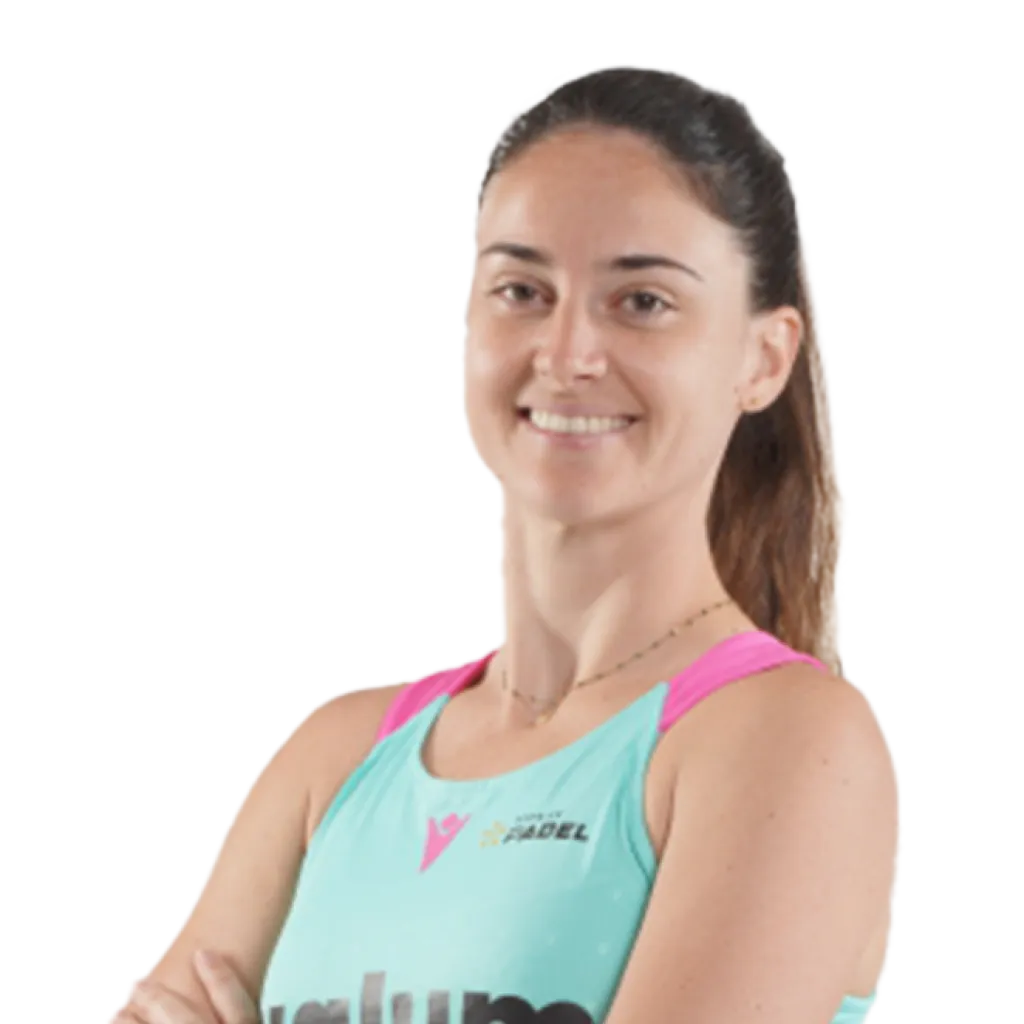
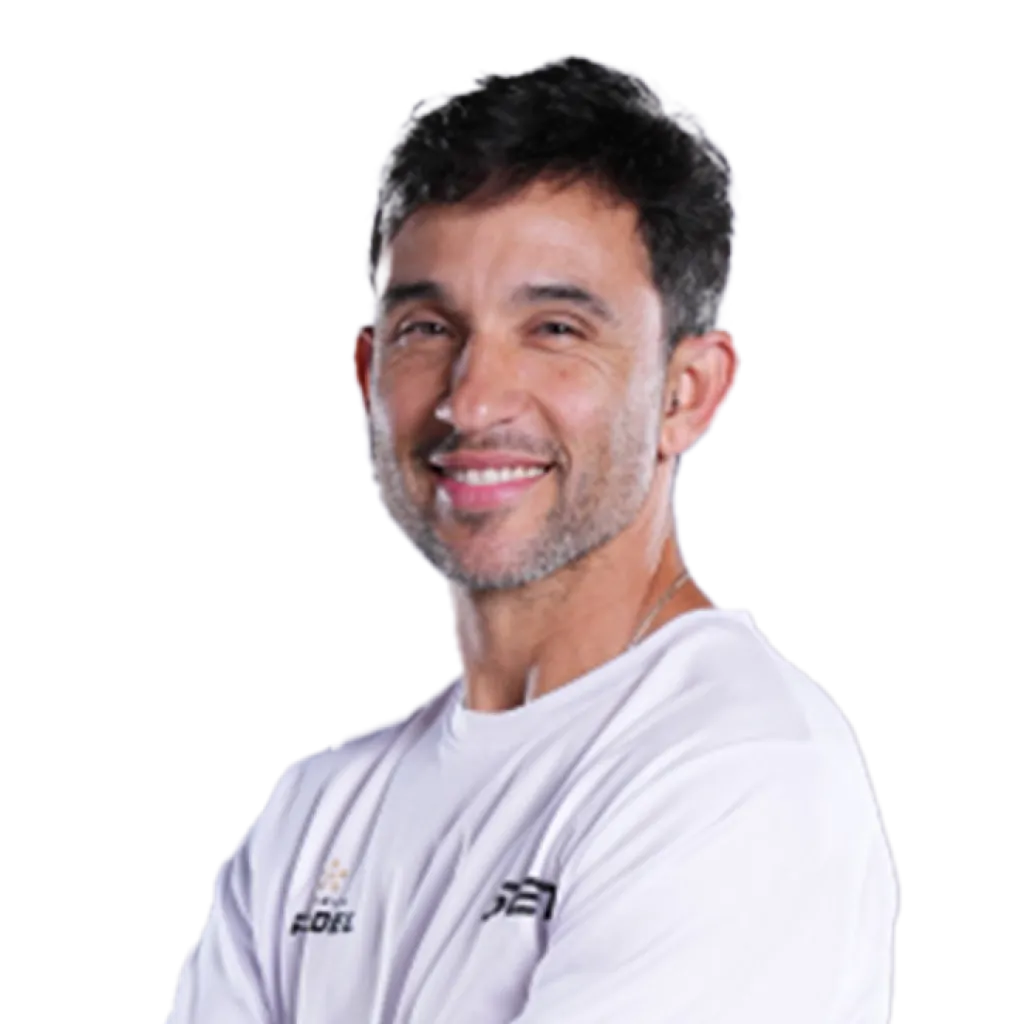
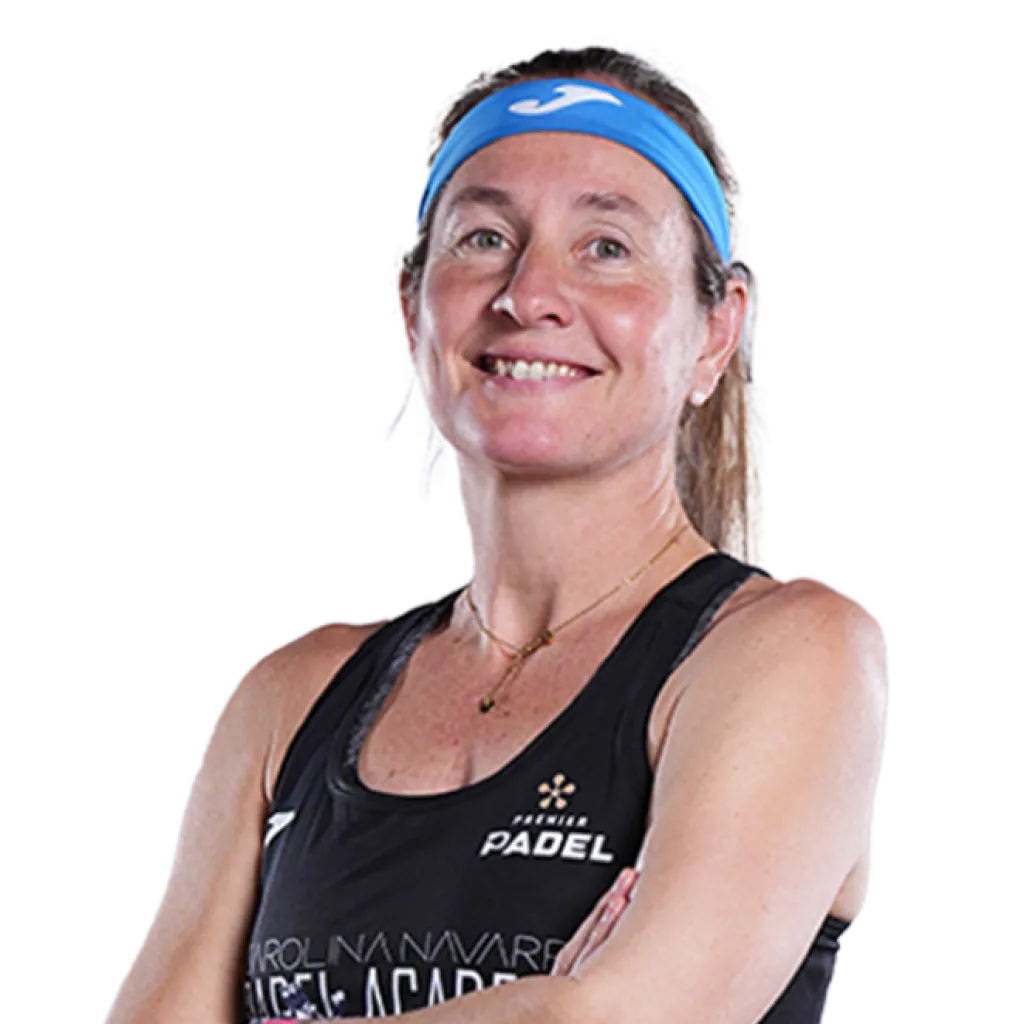
StarVie questions
Which pros play with a StarVie racket?
Tamara Icardo Alcorisa, Sanyo Gutierrez and Carolina Navarro Björk play with a StarVie racket on the professional tour.
How much does a StarVie racket cost?
StarVie rackets currently run from 75 to 288 EUR, depending on the model and how recent it is. The cheapest right now is the StarVie Arkos.
What racket ranges does StarVie make?
StarVie builds 7 racket ranges — Aquila, Astrum, Basalto, Metheora, Polaris, Raptor and others. Each range has several models tuned to different playing styles.
Is StarVie a good padel racket brand?
3 professional players on the current tour use a StarVie racket, which is the clearest signal there is that the brand builds at the top level. Whether it suits you is a separate question — the ranges below cover very different weights, balances and price points.
How many StarVie rackets are there?
We track 19 StarVie rackets currently listed by the retailers we follow, across every range and model year.
What genuinely set StarVie apart from other Spanish brands?
It made its rackets in Spain when almost nobody else did. From 2012 the company ran its own factory in Azuqueca de Henares — a largely manual, ISO-certified process it said took ten to fourteen days per racket, peaking around ninety thousand frames a year. 'Made in Spain' was not a slogan borrowed from headquarters location; it was the production reality, and the core of the brand's premium story.
Is StarVie still made in Spain?
That can no longer be assumed. Spanish padel media reported the Azuqueca de Henares factory closing in March 2025 amid the ownership-era restructuring, with production possibly relocating abroad, and the brand's current material makes no made-in-Spain claim. Buyers for whom origin matters should check the current wording on specific models rather than rely on the brand's historical reputation.
Why does the 2026 signing of Sanyo Gutiérrez matter so much?
It ended years of professional absence in one stroke. StarVie had drifted from elite sponsorship after its Alayeto-era heights, and recruiting an ex-world number one of Gutiérrez's stature — followed days later by Tamara Icardo — was the new management's declaration that the brand intends to compete for visibility again, framed around its StarVie Labs product push.
What was StarVie's golden era?
The mid-2010s. The Sánchez Alayeto twins reached world number one playing StarVie rackets, the then-chief executive claimed six of the top twenty tour players used the brand, and international expansion ran through Portugal, France, Italy and beyond. That period explains the recognition StarVie still enjoys among longtime players, even after quieter recent seasons.
About StarVie
For most of its history, StarVie's calling card was the factory. Created in 2002 by two padel enthusiasts whose names the record never kept, the Madrid-based company spent its first decade importing rackets before taking the unusual step, in 2012, of building its own plant in Azuqueca de Henares, near Guadalajara. From 2013 it marketed genuinely Spanish-made rackets — a largely manual, ISO-certified process taking up to two weeks per frame — at a time when virtually every competitor produced in Asia. Under long-time chief executive Jorge Gómez de la Vega, who joined in 2008, that identity carried the brand through its golden era: the mid-2010s, when the Sánchez Alayeto twins reached world number one playing StarVie and the company claimed several of the tour's top twenty.
The recent chapter has been turbulent. Under owner Grupo Oteador, Gómez de la Vega departed in February 2025, the Spanish factory was reported to be closing weeks later with production possibly relocating abroad, and a new chief executive arrived to lead a rebuild branded around a 'StarVie Labs' innovation push. The clearest statement of intent came in January 2026, when the brand returned to professional sponsorship after seasons in the background by signing Sanyo Gutiérrez, one of the most decorated players in padel history, followed by Tamara Icardo.
The range still leans on familiar families — the control-oriented Metheora, once Matías Díaz's weapon, the Triton and Raptor lines, and the entry-level Aquila — with textured spin faces and tri-density cores. StarVie today is a mid-size specialist in transition: rich in heritage and recognition, with its famous made-in-Spain claim now a matter to verify rather than assume.