

Varlion
Varlion racket ranges
5 ranges
Pros playing with a Varlion racket
2 players
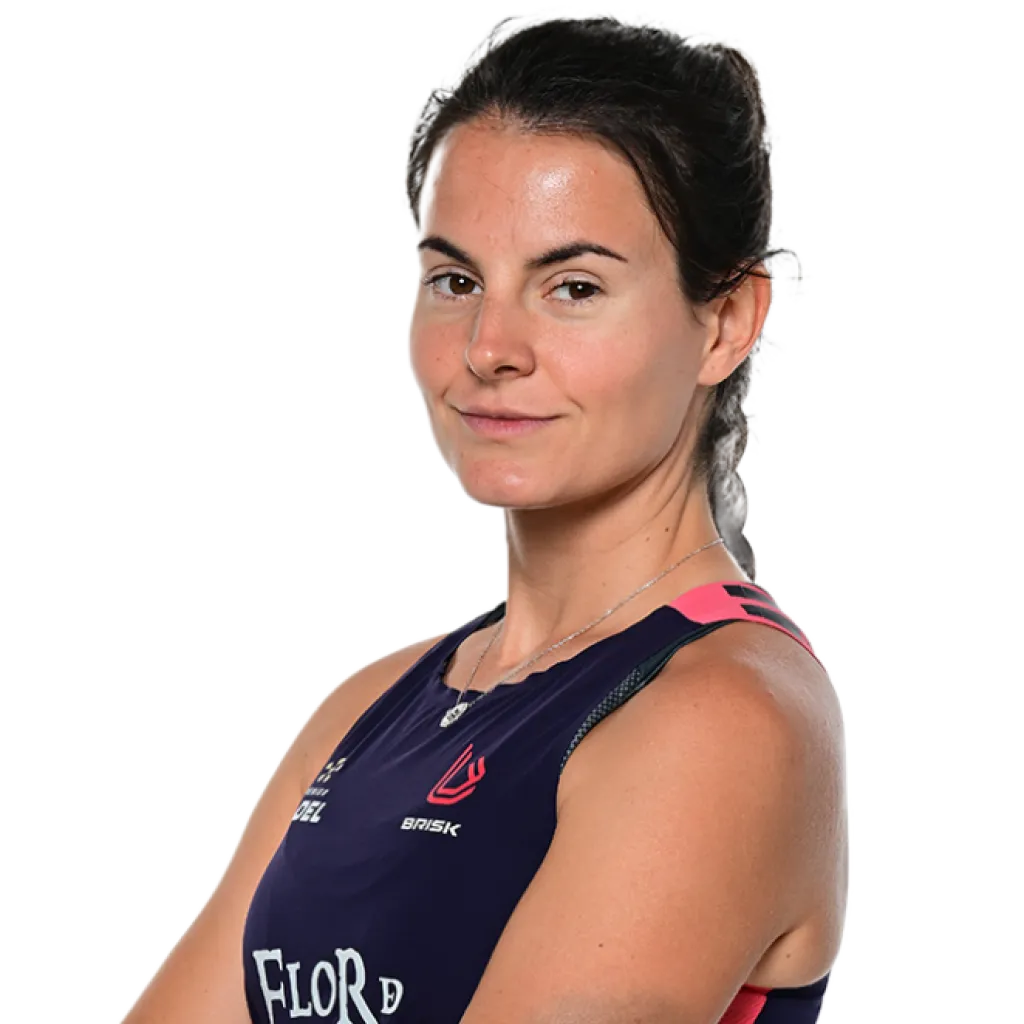
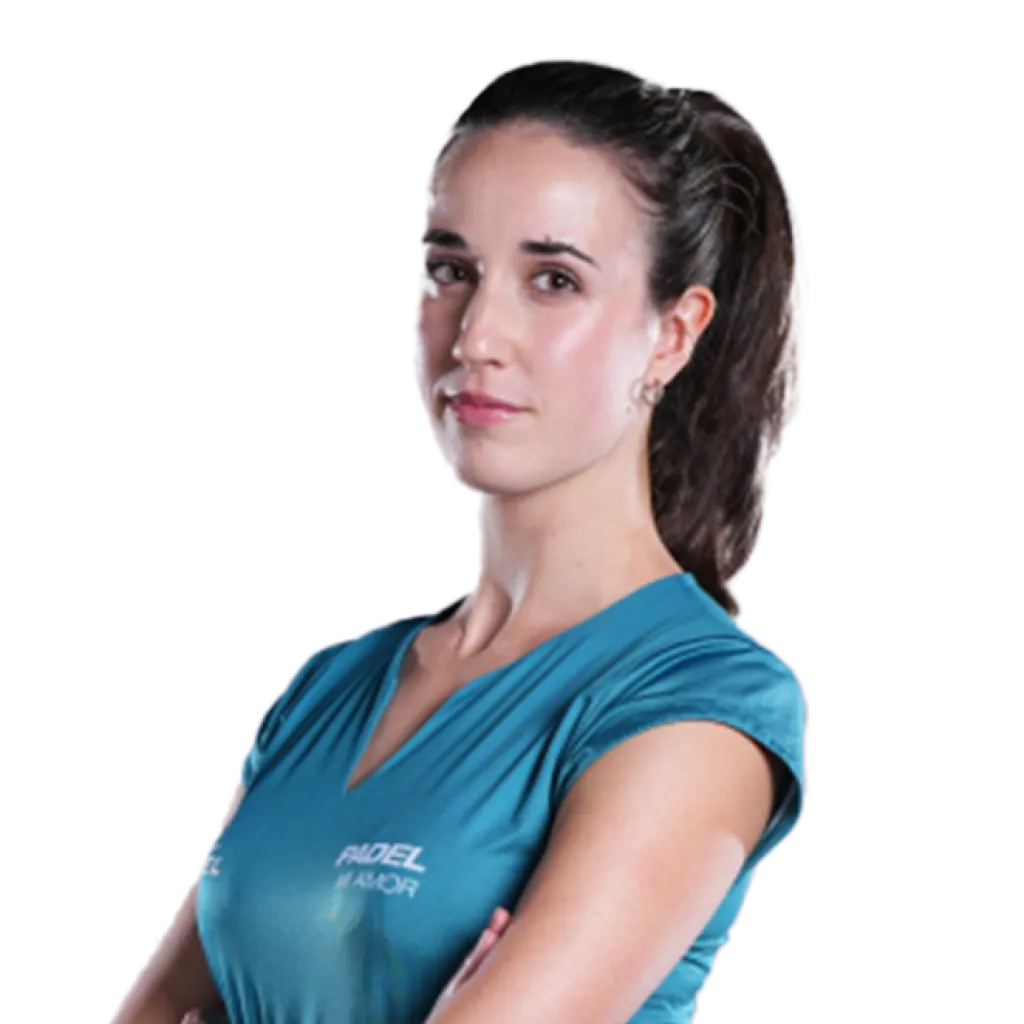
Varlion questions
Which pros play with a Varlion racket?
Barbara Las Heras and Carmen Castillon Gamez play with a Varlion racket on the professional tour.
What nationality is Varlion?
Varlion is a Spanish padel brand. Its rackets are sold across Europe and Latin America through the retailers we track.
What racket ranges does Varlion make?
Varlion builds 5 racket ranges — Avant, Bourne, Canon, LW and Maxima. Each range has several models tuned to different playing styles.
Is Varlion a good padel racket brand?
2 professional players on the current tour use a Varlion racket, which is the clearest signal there is that the brand builds at the top level. Whether it suits you is a separate question — the ranges below cover very different weights, balances and price points.
How many Varlion rackets are there?
We track 27 Varlion rackets currently listed by the retailers we follow, across every range and model year.
Why is Varlion described as an engineering brand?
Because its identity is built on tooling rather than on sponsorship. The company has owned its factory since its first years, and the things it is known for, the oversized head, symmetrical molds, the shaped insert in the frame, a drill-free manufacturing method, are all production problems rather than marketing ideas. A brand without its own tooling cannot make those choices.
What did the oversized head change about padel?
It moved the whole sport to a larger hitting surface. Before it, padel rackets were narrower at the head, which made the sweet spot small and mishits expensive. Widening the head enlarged the effective surface without changing weight or thickness, and within a few years the wider profile was standard across the industry. Almost every modern frame descends from that decision.
How does Varlion's family structure help a buyer?
It maps the catalogue onto the only question most players can answer confidently. Rather than a ladder of tiers, the families correspond to the three shapes, round for control, diamond for power, teardrop in between, plus a hybrid, so a player who knows how they want the racket to behave reaches the right family before looking at a single number.
What does the move from Argentina to Spain say about the sport?
It tracks where the market went. Argentina supplied padel's early professionals and much of its manufacturing culture; Spain supplied the courts, the money and eventually the tour. A manufacturer that had built its own factory in Buenos Aires had to follow, and Varlion used the relocation to rebuild its tooling rather than simply transplant it.
About Varlion
Varlion was founded in Buenos Aires in June 1993 by Félix Regalia, and opened its own factory a year later, an unusual decision for a small company and the one that determined everything afterwards. Owning the tooling let the brand experiment with geometry at a time when almost every padel racket on the market was a variation on the same shape.
The first Varlion frame appeared in 1995, drawn by Regalia on graph paper with a compass and a ruler. It was wider at the head than anything else available, and the oversized profile it introduced, the Lethal Weapon, was adopted by the rest of the industry within a few years. The Lethal Weapon Carbon 3 that descended from it is, by the company's own account, the best-selling padel racket in the sport's history.
Production moved from Argentina to Spain between 1999 and 2001, following the sport's centre of gravity, and the company used the move to build three-dimensional molds and produce the first fully symmetrical padel frames. The habit of solving problems in the tooling has continued: the Difusor, a shaped insert in the frame that changes how the face responds; the Prism profile, developed to cut aerodynamic drag; and a frame manufactured without drilling, which required rethinking how the holes that define a padel racket are formed.
The line is organised by shape rather than by sponsorship. Lethal Weapon is the round, control-oriented family; Cañón is the diamond, with the balance high and the power that implies; Avant is the teardrop compromise; and Bourne sits between the last two. A player who knows which of those four descriptions fits them can navigate the catalogue without reading a single specification sheet, which is the clearest sign of a brand that thinks in shapes.
Further reading
How to Choose a Padel Racket: Shape, Weight, Balance and Feel
How to choose a padel racket: round, teardrop or diamond, weight, balance and hardness, matched to your level. With what 188 rackets actually cost.
October 8, 2026
Best Padel Rackets for Beginners (2026): What to Buy and Why
The best padel rackets for beginners in 2026: what to look for, what to pay (most cost €60–90) and 8 round, soft models from our database.
October 8, 2026
What Rackets Do the Pros Use? Top 100 Players' Rackets (2026)
What padel rackets do the pros use? The racket of each of the top 100 men and women, plus the shapes, brands and hardness they choose, from our data.
October 8, 2026